
 www.woodsmithplans.com
 Opening: The Ultimate DIY Workbench with Dust Collection Creating a clean and efficient workspace is crucial for any woodworking or DIY enthusiast. This guide provides a step-by-step approach to building a robust workbench featuring integrated dust collection, keeping your shop tidy and your lungs happy. Get ready to transform your work area!
Step 1: Planning and Materials Before you start cutting wood, careful planning is essential. Consider the size of your workspace and the projects you typically undertake. This will determine the overall dimensions of your workbench. Make a detailed sketch, including dimensions for the workbench top, legs, frame, and dust collection system components. Choose your materials. MDF and plywood are common choices for the workbench top, while solid wood like 2x4s or 4x6s are ideal for the legs and frame. Gather your dust collection materials: Dust collector, hoses, blast gates, fittings. Ensure you have all necessary tools: Saw (circular saw or table saw), drill, screwdriver, measuring tape, level, clamps, and safety glasses.
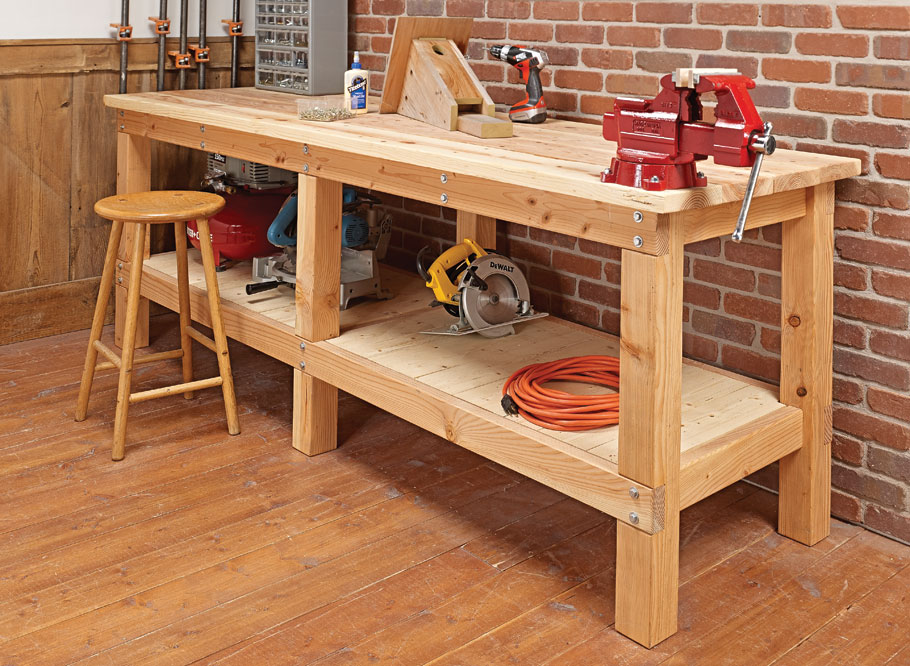
Step 2: Building the Workbench Frame The frame provides the structural integrity of your workbench. Cut the lumber for the legs and frame according to your planned dimensions. Assemble the frame using screws and wood glue. Ensure that the corners are square for a stable base. Clamps are invaluable during this process. Add cross braces between the legs for increased stability and to provide support for the bottom shelf (optional). Double-check that the frame is level and square before proceeding. Any imperfections here will be amplified later.
Step 3: Constructing the Workbench Top The workbench top is your primary work surface, so it needs to be flat, durable, and spacious. Cut the material for the workbench top to the desired dimensions. You may want to use multiple layers of MDF or plywood glued together to create a thicker, more robust surface. Glue and screw the layers together, clamping them securely until the glue dries completely. Consider adding a solid wood edging around the perimeter of the top for added durability and a more professional look. Miter the corners for a clean finish.
Step 4: Integrating the Dust Collection System This is the heart of our project: a dust-free workspace. Plan the placement of your dust collection hose inlets. Consider locations that are convenient for accessing various areas of your workbench. Typically people place them near the back. Cut holes in the workbench top to accommodate the hose inlets. Use a hole saw or jigsaw. Install the dust collection hose inlets and connect them to a network of hoses that lead to your dust collector. Add blast gates at each inlet to control airflow and maximize suction. Consider building an enclosed area beneath the workbench to house your dust collector, reducing noise and keeping it out of the way.
Step 5: Assembling the Workbench Now it's time to bring all the components together. Carefully place the workbench top onto the frame. Secure the top to the frame using screws. Ensure that the screws are long enough to penetrate the frame securely, but not so long that they protrude through the top. Consider adding a layer of padding or rubber feet to the bottom of the legs to reduce noise and prevent the workbench from sliding. Test the dust collection system to ensure that it is functioning properly. Adjust the placement of the inlets and blast gates as needed to optimize airflow.
Step 6: Finishing Touches and Customization Personalize your workbench to suit your specific needs. Add a vise to the workbench top for secure clamping. Install drawers or shelves beneath the workbench to store tools and supplies. Consider adding power outlets to the workbench for convenient access to electricity. Apply a protective finish to the workbench top to prevent damage from spills and scratches. Hang tools on the sides of the workbench to keep them within easy reach.
Conclusion: A Clean and Efficient Workspace Congratulations on building your own workbench with integrated dust collection! You now have a dedicated workspace that is both functional and clean. This project will not only improve the quality of your work but also protect your health by reducing exposure to harmful dust particles. Enjoy your new workspace and happy building!
14 Super-simple Workbenches You Can Build — The Family Handyman
 www.familyhandyman.com
 Mysql :: Mysql Workbench
 www.mysql.com
 Heavy-duty Plank Workbench
www.woodsmithplans.com


0 komentar:
Posting Komentar
Catatan: Hanya anggota dari blog ini yang dapat mengirim komentar.