Minggu, 31 Agustus 2025

Pantorouter plans free download pdf chewall diekumimo.weebly.com

Introduction: Unleash Your Woodworking Potential with a DIY Pantorouter! The Pantorouter is a versatile woodworking machine that allows you to create intricate joinery, patterns, and shapes with ease. This guide will walk you through building your own, empowering you to take your woodworking projects to the next level. This project requires intermediate woodworking skills and access to a well-equipped workshop. Safety is paramount; always wear appropriate safety gear, including eye and ear protection.
Materials and Tools: Gathering Your Arsenal Before you begin, gather all the necessary materials and tools. This will ensure a smooth and efficient build process.
  • Plywood (various thicknesses, as specified in your chosen plans)
  • Hardwood (for critical components like the router carriage and pivot points)
  • Router (ideally with a plunge base)
  • Router bits (various sizes and profiles)
  • Bearings (linear bearings and pivot bearings, as specified in the plans)
  • Threaded rods and nuts
  • Fasteners (screws, bolts, washers)
  • Wood glue
  • Drill press
  • Table saw
  • Router table (optional but helpful)
  • Jigsaw
  • Clamps
  • Measuring tools (ruler, square, calipers)
  • Sanding tools
  • Safety glasses
  • Hearing protection
  • Your chosen Pantorouter plans (numerous free and paid plans are available online thoroughly review and understand them before starting).
  • Step 1: Preparing the Base and Frame This step focuses on constructing the stable foundation of your Pantorouter.
  • Carefully cut all the base and frame pieces according to the dimensions specified in your plans. Accuracy is crucial for the overall stability and performance of the machine.
  • Assemble the base and frame using wood glue and screws or bolts. Ensure all corners are square and joints are strong. Clamps are essential for achieving tight bonds.
  • Reinforce the frame with additional supports if necessary, based on the recommendations in your chosen plans.
  • Step 2: Building the Router Carriage The router carriage is a key component that holds the router and allows it to move smoothly.
  • Cut the carriage parts from hardwood or high-quality plywood, ensuring precise dimensions.
  • Assemble the carriage, incorporating linear bearings or sliding mechanisms for smooth movement along the X and Y axes. Follow your plans diligently for proper alignment.
  • Attach the router mounting plate to the carriage. Ensure it's sturdy and securely holds the router.
  • Consider adding adjustable features to the carriage for fine-tuning the router's position.
  • Step 3: Constructing the Pantograph Arms The pantograph arms are the heart of the Pantorouter, replicating the movement of the template onto the workpiece.
  • Cut the pantograph arm pieces according to the dimensions specified in your plans. Precision is paramount for accurate replication.
  • Drill holes for the pivot points, ensuring they are accurately positioned.
  • Assemble the pantograph arms using bearings and threaded rods, allowing for smooth and precise movement.
  • Adjust the tension of the arms to minimize backlash and ensure accurate tracking.
  • Step 4: Assembling the Template Holder and Workpiece Clamp This step ensures the template and workpiece are securely held in place during operation.
  • Build the template holder according to your plans. It should be adjustable to accommodate different template sizes.
  • Construct the workpiece clamp, ensuring it provides a firm and stable grip on the workpiece. Consider using quick-release clamps for efficient workpiece changes.
  • Mount the template holder and workpiece clamp to the base of the Pantorouter.
  • Step 5: Final Assembly and Adjustments This is where all the individual components come together to form the complete Pantorouter.
  • Attach the router carriage to the pantograph arms.
  • Connect the pantograph arms to the frame.
  • Carefully align all components and make any necessary adjustments to ensure smooth and accurate movement.
  • Test the Pantorouter with a simple template to verify its functionality.
  • Step 6: Fine-Tuning and Calibration Achieving optimal performance requires careful fine-tuning and calibration.
  • Adjust the tension of the pantograph arms to minimize backlash.
  • Check the alignment of the router bit with the template.
  • Experiment with different router bits and cutting speeds to achieve the desired results.
  • Consider adding a dust collection system to minimize dust and debris.
  • Conclusion: Enjoy Your Custom-Built Pantorouter! Congratulations! You've successfully built your own Pantorouter. With practice and experimentation, you'll be able to create a wide range of intricate joinery and designs. Remember to always prioritize safety and consult your plans whenever needed. Enjoy the enhanced capabilities and creative freedom your DIY Pantorouter provides!

    Pantorouter Plans Free Download Pdf Chewall

    Pantorouter plans free download pdf chewall diekumimo.weebly.com

    Pantorouter Plans Free Download Pdf Chewall

    Pantorouter plans free download pdf chewall diekumimo.weebly.com

    Pantorouter Plans Free Download Pdf Chewall

    Pantorouter plans free download pdf chewall diekumimo.weebly.com
    Read More..

    Sabtu, 30 Agustus 2025

    180+ Wood Serving Cart

    Wood grain texture www.photos-public-domain.com

    Introduction: Elevate Your Hosting Game with a DIY Wood Serving Cart
    Are you ready to impress your guests and add a touch of rustic charm to your entertaining space? Building your own wood serving cart is a fantastic way to showcase your woodworking skills and create a functional piece of furniture that's both stylish and practical. This guide will walk you through the process step-by-step, from gathering materials to adding the finishing touches. Let's get started!
    Step 1: Gathering Your Materials and Tools
    Before diving into the build, it's essential to have everything you need on hand. Here's a list of the core materials and tools you'll need:
    • Wood (for shelves, frame, and handle) Pine, oak, or reclaimed wood are great options. Consider the dimensions of your desired cart when determining the wood quantities.
    • Casters (wheels) Choose swivel casters for easy maneuverability. Ensure they can support the weight of the cart and its contents.
    • Screws/Nails Select appropriate sizes for connecting the wood pieces.
    • Wood glue For strong and durable joints.
    • Sandpaper Different grits for smoothing the wood surfaces.
    • Wood stain or paint To achieve your desired finish.
    • Polyurethane or varnish For sealing and protecting the wood.
    Tools:
    • Measuring tape
    • Pencil
    • Saw (circular saw, jigsaw, or hand saw)
    • Drill/Driver
    • Sander
    • Clamps
    • Safety glasses
    • Dust mask
    Step 2: Designing and Cutting the Wood
    Start by sketching out your serving cart design, including dimensions for the shelves, frame, and handle. This will serve as your blueprint throughout the project. Once you have your design, carefully measure and cut the wood pieces according to your specifications. Remember the adage "measure twice, cut once" to minimize errors. Consider the thickness of your wood when cutting frame pieces to ensure shelves will fit properly.
    Step 3: Building the Frame
    The frame is the foundation of your serving cart. Assemble the frame pieces using wood glue and screws/nails. Use clamps to hold the pieces together while the glue dries to ensure a strong and square structure. Check for squareness by measuring the diagonals; they should be equal. If the frame has legs, ensure they are of equal length for a level cart.
    Step 4: Attaching the Shelves
    Now it's time to attach the shelves to the frame. Apply wood glue to the edges of the frame where the shelves will sit, and then carefully position the shelves in place. Secure them with screws/nails from underneath the frame. Again, use clamps to ensure a tight bond while the glue dries. Ensure shelves are evenly spaced for a balanced aesthetic.
    Step 5: Adding the Handle
    The handle makes the cart easy to move. Shape the handle from a piece of wood and attach it securely to the frame using screws/nails and wood glue. Consider ergonomics when determining the height and placement of the handle. A comfortable grip is key for effortless maneuvering.
    Step 6: Sanding and Finishing
    Once the cart is assembled, it's time to sand all the surfaces to create a smooth and even finish. Start with a coarser grit sandpaper and gradually work your way up to a finer grit. After sanding, wipe down the cart with a damp cloth to remove any dust. Apply your chosen wood stain or paint, following the manufacturer's instructions. Once the stain or paint is dry, apply several coats of polyurethane or varnish to protect the wood and enhance its durability. Lightly sand between coats for an ultra-smooth finish.
    Step 7: Installing the Casters
    The final step is to attach the casters to the bottom of the frame. Position the casters at each corner of the cart and secure them with screws. Ensure the screws are the appropriate length to avoid protruding through the wood. Test the mobility of the cart to ensure the casters are functioning properly and that the cart rolls smoothly.
    Conclusion: Enjoy Your Handcrafted Serving Cart
    Congratulations! You've successfully built your own wood serving cart. Now it's time to put it to good use. Whether you're serving drinks and appetizers at a party or simply adding a touch of style to your home, your handcrafted serving cart will be a cherished piece for years to come. Enjoy the satisfaction of knowing you created something beautiful and functional with your own two hands. Remember to properly maintain your serving cart by cleaning spills immediately and reapplying protective coatings as needed.

    Texture Brown Old Wood

    Texture brown old wood creativemarket.com

    Brown Wood Texture, Dark Wooden Abstract Background.

    Brown wood texture, dark wooden abstract background. southlandrealtors.com

    Wood Grain Texture

    Wood grain texture www.photos-public-domain.com
    Read More..

    Jumat, 29 Agustus 2025

    Ted, el oso más irreverente, llega con una serie precuela por universal + televitos.com

    Introduction: Crafting a Simple Wooden Birdhouse Building a birdhouse is a rewarding project that's perfect for beginners and experienced woodworkers alike. This guide provides a step-by-step approach to constructing a basic birdhouse, offering a safe and inviting home for feathered friends. Get ready to turn some wood scraps into a functional and decorative addition to your yard.
    Materials and Tools Needed Before you start, gather the following:
  • Wood (untreated pine or cedar is ideal, about 1/2 inch thick)
  • Saw (hand saw or circular saw)
  • Drill with various sized bits
  • Screws or nails
  • Sandpaper
  • Measuring tape or ruler
  • Pencil
  • Hammer (if using nails)
  • Wood glue (optional, for extra strength)
  • Step 1: Cut the Wood Pieces Based on these dimensions (which you can adjust to your preference):
  • Front: 6 inches wide x 8 inches tall
  • Back: 6 inches wide x 10 inches tall
  • Sides (x2): 6 inches wide x 7 inches tall (cut with a slight angle at the top to create a roof slope)
  • Bottom: 6 inches wide x 6 inches deep
  • Roof (x2): 6 inches wide x 7 inches long
  • Carefully measure and cut the wood pieces according to the dimensions. Ensure your cuts are straight and accurate for a good fit. A slight angle cut at the top of the side pieces will allow for proper roof angling.
    Step 2: Assemble the Box Apply wood glue (optional) to the edges of the bottom piece. Attach the front, back, and side pieces to the bottom, forming a box. Use screws or nails to secure the pieces together. Make sure everything is aligned.
    Step 3: Attach the Roof Attach the roof pieces to the angled tops of the side pieces. Again, use screws or nails. Overhang on the front and back is recommended for better weather protection.
    Step 4: Drill the Entrance Hole Choose a drill bit size appropriate for the type of bird you want to attract. A 1 1/2 inch hole is good for wrens and chickadees. Drill the hole in the center of the front piece, about 2 inches from the top. Consider adding a small wooden dowel below the entrance hole for a perch.
    Step 5: Add Drainage and Ventilation Drill a few small (1/4 inch) drainage holes in the bottom of the birdhouse to prevent water buildup. Also, drill a couple of small ventilation holes near the top of the side pieces to allow for air circulation.
    Step 6: Sand and Finish (Optional) Sand all the edges and surfaces of the birdhouse to remove splinters and rough spots. You can leave the wood natural or apply a non-toxic, water-based sealant or paint to protect the wood from the elements. Avoid using bright colors or elaborate decorations, as these can deter birds.
    Step 7: Mounting the Birdhouse Decide where you want to mount your birdhouse. Common options include attaching it to a tree, post, or side of a building. Use screws or nails to securely attach the birdhouse to its mounting location. Make sure it's positioned in a sheltered spot away from predators.
    Conclusion: Enjoy Your New Birdhouse Congratulations! You've successfully built a simple wooden birdhouse. With a little luck, you'll soon have some feathered tenants enjoying their new home. Remember to clean the birdhouse out annually after nesting season to keep it a healthy and welcoming environment for birds.

    Contact Us-1

    Contact us-1 www.tedshotdogs.com

    Ted, El Oso Más Irreverente, Llega Con Una Serie Precuela Por Universal +

    Ted, el oso más irreverente, llega con una serie precuela por universal + televitos.com

    Ted Wallpapers

    Ted wallpapers wallpapercave.com
    Read More..

    Kamis, 28 Agustus 2025

    57+ Wooden Dog House

    Large solid wood outdoor dog house with spacious deck porch br.pinterest.com

    Opening: Building a Cozy Retreat for Your Furry Friend Giving your dog a comfortable and secure space of their own is a wonderful way to show them you care. This guide provides a step-by-step process for constructing a simple, yet sturdy, wooden dog house that will keep your canine companion sheltered from the elements. Whether you're a seasoned DIY enthusiast or just starting out, these instructions will help you create a durable and personalized dog house.
    Step 1: Planning and Gathering Materials Before you start building, careful planning is essential. Consider your dog's size and breed to determine the appropriate dimensions for the dog house. A dog house that's too large will allow heat to escape easily in the winter, while one that's too small will be uncomfortable. Once you have the dimensions, gather the necessary materials. You'll likely need:
    • Plywood sheets (exterior grade)
    • Lumber (for framing)
    • Screws or nails
    • Wood glue
    • Weatherproofing sealant
    • Measuring tape
    • Saw (circular saw or hand saw)
    • Drill
    • Sandpaper
    Step 2: Cutting the Pieces Using your measurements, carefully cut the plywood and lumber into the required pieces for the base, walls, roof, and door opening. It's best to double-check your measurements before cutting to avoid costly mistakes. Remember safety first! Always wear appropriate safety glasses and gloves when using power tools.
    Step 3: Assembling the Frame Construct the frame of the dog house using the lumber. This frame will provide the structural support for the plywood walls. Use wood glue and screws to securely join the pieces together. Ensure the frame is square and level before proceeding. The floor frame should be built first, followed by the wall frames, and finally the roof supports.
    Step 4: Attaching the Walls Attach the plywood walls to the wooden frame using screws or nails. Ensure the walls are flush with the frame and securely fastened. Apply wood glue to the frame before attaching the plywood for added strength. Leave an opening for the door, according to your measurements.
    Step 5: Building the Roof Construct the roof frame and attach the plywood roof panels. A slightly angled roof will help with water runoff. Secure the roof to the wall frames with screws and wood glue. Consider adding an overhang to protect the door opening from rain and snow.
    Step 6: Finishing Touches Sand all the edges and surfaces of the dog house to remove any splinters or rough spots. Apply a weatherproofing sealant to all the exterior surfaces to protect the wood from the elements. This will prolong the life of your dog house and keep your dog dry and comfortable. You can also paint or stain the dog house to match your home's exterior or add a personal touch.
    Step 7: Creating the Doorway Smooth the edges of the door opening. You can add a trim around the opening for a more finished look. Consider adding a flap made of heavy canvas or rubber to help keep out drafts and inclement weather. This can be attached with screws or staples.
    Step 8: Interior Comfort Line the interior of the dog house with straw, wood shavings, or a comfortable dog bed to provide warmth and cushioning. This will make the dog house a more inviting and comfortable space for your dog. Regularly clean the interior to prevent the buildup of dirt and odors.
    Conclusion: A Safe and Comfortable Haven Congratulations! You've successfully built a wooden dog house for your furry friend. With proper maintenance and care, this dog house will provide your dog with a safe, comfortable, and weatherproof haven for years to come. Observe your dog using their new house, make adjustments as needed, and enjoy the satisfaction of knowing you've created a special space just for them.

    Big Wooden Dog Houses At Ali Purser Blog

    Big wooden dog houses at ali purser blog storage.googleapis.com

    Large Solid Wood Outdoor Dog House With Spacious Deck Porch

    Large solid wood outdoor dog house with spacious deck porch br.pinterest.com

    Wooden Pet Dog House Crates With Porch Window Dog House With Porch, Wood Dog House, Outdoor Dog

    Wooden pet dog house crates with porch window dog house with porch, wood dog house, outdoor dog www.pinterest.com
    Read More..

    Rabu, 27 Agustus 2025

    91+ Wooden Entryway Bench With Storage

    Wooden entryway bench with storage www.soulandlane.com

    Opening: Creating a Welcoming Entryway with a DIY Wooden Bench A well-designed entryway sets the tone for your entire home. A comfortable and functional bench with storage is a fantastic addition, providing a place to sit, remove shoes, and store essentials. This step-by-step guide will help you build your own beautiful and practical wooden entryway bench.
    Step 1: Planning and Gathering Materials Before you start cutting wood, it's crucial to plan your bench's design and gather the necessary materials. Consider the dimensions of your entryway, the desired height and length of the bench, and the type of storage you need.
  • First, decide on the dimensions of your bench (length, width, and height). A common height is around 18-20 inches.
  • Create a simple sketch with measurements to guide you.
  • Make a list of all the materials you'll need, including lumber, screws, wood glue, sandpaper, paint or stain, and any hardware for the storage compartment (e.g., hinges, handles).
  • Purchase the lumber and hardware based on your plan. Common lumber choices include pine, poplar, or oak, depending on your budget and desired aesthetic.
  • Step 2: Cutting the Wood Precise cuts are essential for a sturdy and visually appealing bench. Use a saw (circular saw, miter saw, or hand saw) to cut the lumber according to your measurements.
  • Cut the pieces for the bench's frame (legs, side supports, front and back supports).
  • Cut the pieces for the bench seat (top). You may need to glue multiple boards together to achieve the desired width.
  • Cut the pieces for the storage compartment, if your design includes one (sides, bottom, top, door).
  • Double-check all measurements and cuts before proceeding.
  • Step 3: Assembling the Frame The frame provides the structural support for the bench. Use wood glue and screws to securely join the pieces.
  • Apply wood glue to the joints between the legs and the side/front/back supports.
  • Clamp the pieces together until the glue dries.
  • Reinforce the joints with screws. Predrill pilot holes to prevent the wood from splitting.
  • Ensure the frame is square and level before moving on.
  • Step 4: Building the Bench Seat The bench seat is the surface you'll sit on. Glue and screw the seat pieces together.
  • If your bench seat is made of multiple boards, apply wood glue to the edges of the boards.
  • Clamp the boards together until the glue dries.
  • Attach the bench seat to the frame using wood glue and screws.
  • Ensure the seat is flush with the frame and securely fastened.
  • Step 5: Creating the Storage Compartment (Optional) If you're including a storage compartment, assemble the box and attach it to the bench.
  • Assemble the sides, bottom, and top of the storage compartment using wood glue and screws.
  • Attach the storage compartment to the bench frame, typically beneath the bench seat.
  • Install the door using hinges.
  • Add handles or knobs to the door.
  • Step 6: Sanding and Finishing Sanding and finishing will give your bench a smooth, professional look and protect the wood.
  • Sand all surfaces of the bench with progressively finer grits of sandpaper (e.g., 80 grit, 120 grit, 220 grit).
  • Pay special attention to edges and corners to round them slightly.
  • Remove all sanding dust with a tack cloth.
  • Apply a primer (optional but recommended for painting).
  • Apply paint or stain according to the manufacturer's instructions. Consider multiple coats for durability and a richer finish.
  • Apply a clear coat of sealant (polyurethane or varnish) to protect the finish and make it easier to clean.
  • Conclusion: Enjoy Your New DIY Entryway Bench Congratulations! You've successfully built your own wooden entryway bench with storage. This functional and stylish piece will add character and organization to your home's entrance. Now you can relax and enjoy the benefits of your hard work.

    Wooden Entryway Bench With Storage

    Wooden entryway bench with storage www.soulandlane.com

    27 Fabulous Entryway Bench With Storage Ideas You'll Adore

    27 fabulous entryway bench with storage ideas you'll adore www.soulandlane.com

    Wildon Home ® Somerton Wooden Entryway Storage Bench

    Wildon home ® somerton wooden entryway storage bench www.pinterest.com
    Read More..

    Selasa, 26 Agustus 2025

    90+ Foldable Wooden Desk With Drawers

    Lightweight foldable wooden desk www.aptdeco.com

    Opening: Creating Your Own Foldable Wooden Desk with Drawers Looking for a space-saving and functional desk solution? A foldable wooden desk with drawers is the perfect DIY project! This guide will walk you through the steps to build your own, providing a convenient workspace that can be easily stored when not in use. Let's get started!
    Step 1: Planning and Design Before you even think about cutting wood, you need a plan. Consider these factors:
  • Desired Size: How large do you want the desk surface to be when open? This will determine the dimensions of your main desktop piece.
  • Drawer Dimensions: How many drawers do you want and how big should they be? Factor this into the overall height and depth of the desk.
  • Folding Mechanism: There are several ways to achieve the folding functionality. Will you use hinges? Folding brackets? Determine the most suitable mechanism for your skill level and desired aesthetic.
  • Wood Selection: Choose a sturdy and visually appealing wood. Pine, poplar, or plywood are common choices. Consider the thickness for both the desktop and drawer components.
  • Draw a detailed sketch or use a CAD program to visualize your design. Include all measurements. This will serve as your blueprint.
    Step 2: Gathering Materials and Tools You'll need a variety of materials and tools for this project. Here's a comprehensive list:
  • Wood: Desktop, drawer sides, drawer bottoms, desk legs, support pieces.
  • Hardware: Hinges (for the folding mechanism), drawer slides, screws, wood glue, knobs or pulls for the drawers.
  • Tools: Saw (circular saw or hand saw), drill with various bits, screwdriver, measuring tape, pencil, sandpaper, clamps, wood filler (optional), paint or stain and sealant.
  • Make sure you have all of these on hand before beginning construction. Missing a single screw can halt your progress.
    Step 3: Cutting the Wood Pieces Carefully cut all of your wood pieces according to your design plan. Accuracy is key here.
  • Desktop: Cut the main desktop piece to the correct size.
  • Desk Legs: Cut the legs to the desired height. You'll need to ensure they can fold properly.
  • Drawer Sides and Bottoms: Cut the pieces for the drawer boxes. Accuracy is crucial for smooth drawer operation.
  • Support Pieces: These pieces will reinforce the desk structure and provide attachment points for the hinges and drawer slides.
  • Label each piece after cutting to avoid confusion later on.
    Step 4: Building the Drawers Assemble the drawers using wood glue and screws.
  • Join the Sides: Attach the drawer sides to the front and back pieces to create a box.
  • Attach the Bottom: Secure the drawer bottom to the box.
  • Install Drawer Slides: Attach the drawer slides to the drawer sides and the corresponding location inside the desk frame.
  • Check for squareness and ensure the drawers slide smoothly.
    Step 5: Assembling the Desk Frame Construct the main frame of the desk, which will house the drawers and support the desktop.
  • Attach Support Pieces: Secure the support pieces to the inner sides of the frame. These will act as supports for the desktop and drawer slides.
  • Install Drawer Slides: If you haven't already, attach the drawer slides to the desk frame, aligning them with the slides on the drawers.
  • Ensure the frame is sturdy and square.
    Step 6: Attaching the Desktop and Folding Mechanism Now it's time to attach the desktop and implement the folding mechanism.
  • Attach the Desktop: Secure the desktop to the desk frame using screws and wood glue.
  • Install Hinges/Folding Brackets: Attach the hinges or folding brackets to the desk legs and the underside of the desktop. Ensure they are properly aligned to allow for smooth folding. Consider using heavy-duty hinges to support the weight of the desktop.
  • Test the folding mechanism to ensure it works correctly.
    Step 7: Sanding, Finishing, and Hardware Prepare the desk for painting or staining.
  • Sanding: Sand all surfaces smooth, starting with a coarser grit sandpaper and finishing with a finer grit.
  • Finishing: Apply paint or stain according to your preference. Allow it to dry completely between coats. Apply a sealant to protect the wood.
  • Hardware: Attach drawer knobs or pulls.
  • This step is crucial for both aesthetics and longevity.
    Conclusion: Your Foldable Wooden Desk with Drawers is Complete! Congratulations! You have successfully built your own foldable wooden desk with drawers. This desk provides a functional workspace that can be easily folded away when not in use, saving valuable space. Enjoy your new creation! Remember to always prioritize safety when working with tools and follow the manufacturer's instructions for all materials.

    40% Off On Deskt 2-tier Foldable Wooden Desk

    40% off on deskt 2-tier foldable wooden desk www.onedayonly.co.za

    Lightweight Foldable Wooden Desk

    Lightweight foldable wooden desk www.aptdeco.com

    Wooden Desk With Drawers Stock Photo. Image Of Stationary

    Wooden desk with drawers stock photo. image of stationary www.dreamstime.com
    Read More..

    Senin, 25 Agustus 2025

    180+ Easy Woodworking Projects Diy

    즐겁게 코딩하자 blog.naver.com

    ```html
    Opening: Embark on a DIY Woodworking Adventure!
    Ready to unleash your inner carpenter and create something amazing with your own two hands? This guide will take you step-by-step through a satisfying and relatively simple woodworking project: a DIY Wooden Bookend! Perfect for beginners, this project introduces basic woodworking skills while resulting in a functional and stylish addition to your home or office.
    Step 1: Gathering Your Materials
    Before you begin, ensure you have all the necessary materials on hand. This will streamline the building process and prevent frustrating interruptions.
  • Wood: Choose a hardwood like oak, maple, or walnut for durability and aesthetics. A softwood like pine will also work but may be less resistant to wear and tear. You'll need enough wood to cut two pieces roughly 6 inches wide, 6 inches tall, and 4 inches deep for each bookend. Scrap wood is perfect for this project!
  • Sandpaper: A variety pack with grits ranging from 80 to 220 will be useful for smoothing the wood.
  • Wood Glue: A strong wood glue is essential for creating a lasting bond.
  • Clamps: Two or more clamps will help hold the wood pieces together while the glue dries.
  • Finishing Supplies: Choose a wood finish like stain, varnish, or polyurethane to protect and enhance the wood.
  • Safety Glasses: Always protect your eyes when working with wood.
  • Measuring Tools: A ruler or measuring tape, a square, and a pencil.
  • Saw: A hand saw, jigsaw, or circular saw will be needed to cut the wood.
  • Step 2: Cutting the Wood
    Carefully measure and cut your wood pieces. For each bookend, you will need two pieces.
  • Cut the Base: Cut one piece of wood to 6 inches wide and 6 inches long. This will be the base of your bookend.
  • Cut the Upright Support: Cut the other piece of wood to 6 inches wide and 4 inches long. This will be the vertical support that holds your books.
  • Be precise with your measurements and cuts to ensure a clean and professional-looking final product.
    Step 3: Sanding the Pieces
    Smooth the surfaces of your cut wood pieces using sandpaper.
  • Start with a coarser grit (80-120) to remove any imperfections or rough edges.
  • Gradually move to finer grits (180-220) to achieve a smooth, even finish.
  • Pay close attention to the edges and corners, rounding them slightly for a more comfortable and polished look.
    Step 4: Assembling the Bookend
    Now, attach the vertical support to the base.
  • Apply Wood Glue: Apply a generous amount of wood glue to the bottom edge of the upright support.
  • Position the Pieces: Carefully position the glued edge of the upright support onto the center of the base, ensuring it's perpendicular. Use the square to ensure a perfect 90-degree angle.
  • Clamp: Clamp the two pieces together firmly, ensuring a tight bond.
  • Wipe Away Excess Glue: Use a damp cloth to wipe away any excess glue that squeezes out from the joint.
  • Allow to Dry: Allow the glue to dry completely according to the manufacturer's instructions, typically 24 hours.
  • Step 5: Finishing Touches
    Once the glue is dry, remove the clamps and prepare to finish your bookend.
  • Sanding: Lightly sand the entire bookend one last time with fine-grit sandpaper (220) to ensure a smooth surface for finishing.
  • Choose Your Finish: Decide whether you want to stain, varnish, or apply polyurethane to your bookend.
  • Apply Finish: Apply the chosen finish according to the manufacturer's instructions. Multiple coats may be necessary for optimal protection and appearance. Allow each coat to dry completely before applying the next.
  • Conclusion: Your DIY Wooden Bookend is Complete!
    Congratulations! You've successfully crafted your own wooden bookend. This simple yet rewarding project has not only provided you with a functional item but has also introduced you to the basics of woodworking. Feel free to customize your bookends with different wood types, finishes, or even add decorative elements like carvings or inlays. With practice and creativity, you can continue to expand your woodworking skills and create even more impressive projects. Enjoy organizing your books with your handmade creation!
    ```

    Easy To Customize Hi-res Stock Photography And Images

    Easy to customize hi-res stock photography and images www.alamy.com

    즐겁게 코딩하자

    즐겁게 코딩하자 blog.naver.com

    Easy Vegetarian Keto Hi-res Stock Photography And Images

    Easy vegetarian keto hi-res stock photography and images www.alamy.com
    Read More..

    Minggu, 24 Agustus 2025

    Frank lloyd wright floor lamp plans tumbledrose.com

    Opening: A Touch of Wright, Crafted by You
    This guide will walk you through building a table lamp inspired by the designs of Frank Lloyd Wright, specifically tailored for a hillside or layered look. This project, adapted from available woodworking plans, is suitable for intermediate woodworkers and requires patience and precision. Prepare for an enriching experience as you bring architectural beauty into your home.
    Step 1: Gathering Materials & Tools
    Before you begin, ensure you have all the necessary materials and tools. This will streamline the building process and minimize interruptions.
    • Wood: Select hardwoods like cherry, maple, or walnut. The choice is yours, but ensure it complements your space. Consider the grain direction and how it will appear in the finished lamp. You'll need varying thicknesses depending on the plan you choose.
    • Lamp Kit: Purchase a lamp kit containing the socket, harp, cord, plug, and any necessary hardware. Choose a kit that fits your desired aesthetic and wattage requirements.
    • Adhesive: Use a high-quality wood glue for strong and lasting bonds. Consider using clamps to secure joints while the glue dries.
    • Finish: Select a finish that enhances the wood's natural beauty and provides protection. Options include varnish, lacquer, or oil-based finishes.
    • Tools: Essential tools include a table saw, miter saw, router, drill press, sander, clamps, measuring tape, pencil, and safety glasses. A router table can be helpful for some shaping operations.
    Step 2: Preparing the Wood Components
    Accuracy is crucial for a successful project. Cut all wood pieces according to the dimensions specified in your chosen woodworking plan.
    • Cutting: Use a table saw and miter saw for precise cuts. Double-check measurements before each cut to avoid errors.
    • Routing: If the plan calls for rounded edges or decorative profiles, use a router with appropriate bits. Practice on scrap wood first to ensure desired results.
    • Sanding: Sand all wood surfaces to a smooth finish, starting with coarser grits and progressing to finer grits. This will ensure a professional-looking finish.
    Step 3: Assembling the Lamp Base
    Follow your plan closely when assembling the base. The hillside or layered design will likely involve multiple pieces glued and clamped together.
    • Dry Fit: Before applying glue, dry-fit all the pieces to ensure proper alignment and fit. Make any necessary adjustments.
    • Gluing: Apply wood glue to all joining surfaces and clamp the pieces together securely. Use enough clamps to distribute pressure evenly.
    • Clamping: Allow the glue to dry completely according to the manufacturer's instructions. This is crucial for a strong and durable bond. Wipe away any glue squeeze-out with a damp cloth.
    Step 4: Wiring the Lamp
    Wiring requires care. Disconnect the lamp from power before any inspections or modification. Follow the lamp kit instructions carefully.
    • Threading the Cord: Drill a hole through the base to allow the lamp cord to pass through. Smooth the edges of the hole to prevent damage to the cord.
    • Connecting the Wires: Connect the wires to the lamp socket according to the lamp kit instructions. Ensure that the connections are secure and properly insulated.
    • Testing: Before fully assembling the lamp, test the wiring to ensure it is working correctly. Use a multimeter to check for continuity and proper voltage.
    Step 5: Finishing and Final Assembly
    Apply your chosen finish according to the manufacturer's instructions. This step enhances the wood's beauty and protects it from damage.
    • Applying Finish: Apply the finish in thin, even coats, allowing each coat to dry completely before applying the next. Sand lightly between coats for a smooth finish.
    • Polishing: Once the finish is dry, polish it to a desired sheen. Use a soft cloth and appropriate polishing compound.
    • Final Assembly: Install the harp and lampshade. Enjoy your newly crafted hillside table lamp.
    Conclusion: Illuminating Beauty, Crafted with Care
    Congratulations on completing your Frank Lloyd Wright-inspired hillside table lamp! This project is a testament to your woodworking skills and a beautiful addition to your home. Enjoy the warm glow and architectural elegance of your handcrafted creation.

    Woodworker's Journal Frank Lloyd Wright Lamp Plan

    Woodworker's journal frank lloyd wright lamp plan www.rockler.com

    Homemade Frank Lloyd Wright Taliesin Lamp

    Homemade frank lloyd wright taliesin lamp www.reddit.com

    Frank Lloyd Wright Floor Lamp Plans

    Frank lloyd wright floor lamp plans tumbledrose.com
    Read More..

    Sabtu, 23 Agustus 2025

    117+ Rustic Outdoor Bench

    60 amazing rustic home decor ideas to try instaloverz.com

    Introduction: Building Your Own Rustic Outdoor Bench Creating your own rustic outdoor bench can be a rewarding project that adds charm and functionality to your outdoor space. This guide will walk you through the process, step-by-step, allowing you to customize the bench to your desired size and style. This project involves basic woodworking skills and tools.
    Materials and Tools: Before you begin, gather the necessary materials and tools. Here's a list to get you started:
  • Wood (Pressure-treated lumber is recommended for outdoor use):
    • Bench seat planks (2x6 or 2x8, depending on desired width)
    • Bench legs (4x4)
    • Support beams (2x4)
    • Bracing pieces (2x4)
  • Fasteners:
    • Exterior-grade wood screws (various lengths)
  • Tools:
    • Measuring tape
    • Pencil
    • Saw (circular saw or hand saw)
    • Drill with drill bits and screw driving bits
    • Sander or sandpaper
    • Safety glasses
    • Work gloves
    • Optional: Wood stain or sealant
  • Step 1: Planning and Cutting the Wood:
  • Measure and Design: Begin by determining the desired length, width, and height of your bench. This will dictate the lengths of your lumber. Common bench heights range from 16 to 20 inches.
  • Cut the Seat Planks: Cut the seat planks to the desired length. You'll need enough planks to achieve your desired seat width.
  • Cut the Legs: Cut four legs to the desired height of the bench. Ensure all legs are the same length for a level bench.
  • Cut the Support Beams: Cut the support beams. These will run horizontally underneath the seat planks, providing support and connecting the legs. The length of the support beams will depend on the width of your bench. Cut at least two support beams.
  • Cut the Bracing Pieces: Cut the bracing pieces. These will provide additional stability to the legs. Cut these at a 45-degree angle to fit snugly between the legs and the support beams.
  • Step 2: Assembling the Legs and Support Beams:
  • Attach the Support Beams: Attach the support beams to the legs using wood screws. Position the support beams close to the top of the legs, ensuring they are level. Pre-drill pilot holes to prevent the wood from splitting.
  • Attach the Bracing Pieces: Attach the bracing pieces between the legs and the support beams, creating a triangular support. Secure them with wood screws. Again, pre-drilling pilot holes is essential.
  • Repeat for the Second Set of Legs: Repeat the process to assemble the second set of legs and support beams.
  • Step 3: Attaching the Seat Planks:
  • Position the Seat Planks: Place the seat planks on top of the assembled leg and support beam structures. Ensure the planks are evenly spaced and aligned.
  • Secure the Seat Planks: Secure the seat planks to the support beams using wood screws. Pre-drill pilot holes through the seat planks and into the support beams. Use multiple screws per plank to ensure a secure attachment.
  • Step 4: Sanding and Finishing:
  • Sanding: Once the bench is assembled, sand all surfaces to remove any rough edges and splinters. Pay particular attention to the edges of the seat planks and legs.
  • Finishing (Optional): Apply a wood stain or sealant to protect the bench from the elements. Choose a stain color that complements your outdoor décor. Apply the stain or sealant according to the manufacturer's instructions. Allow the stain or sealant to dry completely before using the bench.
  • Conclusion: Enjoy Your New Rustic Bench Congratulations! You have successfully built your own rustic outdoor bench. This bench will not only provide comfortable seating but also add a touch of rustic charm to your outdoor space. Remember to regularly inspect your bench for any signs of wear and tear and make necessary repairs to ensure its longevity.

    60 Amazing Rustic Home Decor Ideas To Try

    60 amazing rustic home decor ideas to try instaloverz.com

    Photos And Tips On Decorating In Rustic Style

    Photos and tips on decorating in rustic style www.thespruce.com

    20 Rustic Style Homes

    20 rustic style homes www.homestratosphere.com
    Read More..

    Jumat, 22 Agustus 2025

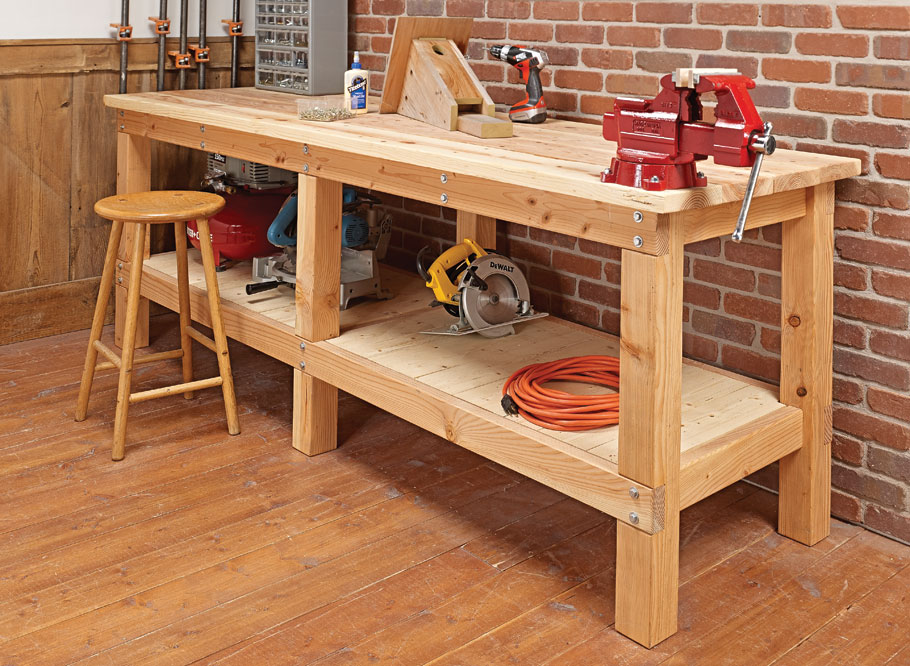
    Heavy-duty plank workbench www.woodsmithplans.com

    Opening: The Ultimate DIY Workbench with Dust Collection Creating a clean and efficient workspace is crucial for any woodworking or DIY enthusiast. This guide provides a step-by-step approach to building a robust workbench featuring integrated dust collection, keeping your shop tidy and your lungs happy. Get ready to transform your work area!
    Step 1: Planning and Materials Before you start cutting wood, careful planning is essential. Consider the size of your workspace and the projects you typically undertake. This will determine the overall dimensions of your workbench. Make a detailed sketch, including dimensions for the workbench top, legs, frame, and dust collection system components.
  • Choose your materials. MDF and plywood are common choices for the workbench top, while solid wood like 2x4s or 4x6s are ideal for the legs and frame.
  • Gather your dust collection materials: Dust collector, hoses, blast gates, fittings.
  • Ensure you have all necessary tools: Saw (circular saw or table saw), drill, screwdriver, measuring tape, level, clamps, and safety glasses.
  • Step 2: Building the Workbench Frame The frame provides the structural integrity of your workbench.
  • Cut the lumber for the legs and frame according to your planned dimensions.
  • Assemble the frame using screws and wood glue. Ensure that the corners are square for a stable base. Clamps are invaluable during this process.
  • Add cross braces between the legs for increased stability and to provide support for the bottom shelf (optional).
  • Double-check that the frame is level and square before proceeding. Any imperfections here will be amplified later.
  • Step 3: Constructing the Workbench Top The workbench top is your primary work surface, so it needs to be flat, durable, and spacious.
  • Cut the material for the workbench top to the desired dimensions. You may want to use multiple layers of MDF or plywood glued together to create a thicker, more robust surface.
  • Glue and screw the layers together, clamping them securely until the glue dries completely.
  • Consider adding a solid wood edging around the perimeter of the top for added durability and a more professional look. Miter the corners for a clean finish.
  • Step 4: Integrating the Dust Collection System This is the heart of our project: a dust-free workspace.
  • Plan the placement of your dust collection hose inlets. Consider locations that are convenient for accessing various areas of your workbench. Typically people place them near the back.
  • Cut holes in the workbench top to accommodate the hose inlets. Use a hole saw or jigsaw.
  • Install the dust collection hose inlets and connect them to a network of hoses that lead to your dust collector.
  • Add blast gates at each inlet to control airflow and maximize suction.
  • Consider building an enclosed area beneath the workbench to house your dust collector, reducing noise and keeping it out of the way.
  • Step 5: Assembling the Workbench Now it's time to bring all the components together.
  • Carefully place the workbench top onto the frame.
  • Secure the top to the frame using screws. Ensure that the screws are long enough to penetrate the frame securely, but not so long that they protrude through the top.
  • Consider adding a layer of padding or rubber feet to the bottom of the legs to reduce noise and prevent the workbench from sliding.
  • Test the dust collection system to ensure that it is functioning properly. Adjust the placement of the inlets and blast gates as needed to optimize airflow.
  • Step 6: Finishing Touches and Customization Personalize your workbench to suit your specific needs.
  • Add a vise to the workbench top for secure clamping.
  • Install drawers or shelves beneath the workbench to store tools and supplies.
  • Consider adding power outlets to the workbench for convenient access to electricity.
  • Apply a protective finish to the workbench top to prevent damage from spills and scratches.
  • Hang tools on the sides of the workbench to keep them within easy reach.
  • Conclusion: A Clean and Efficient Workspace Congratulations on building your own workbench with integrated dust collection! You now have a dedicated workspace that is both functional and clean. This project will not only improve the quality of your work but also protect your health by reducing exposure to harmful dust particles. Enjoy your new workspace and happy building!

    14 Super-simple Workbenches You Can Build — The Family Handyman

    14 super-simple workbenches you can build — the family handyman www.familyhandyman.com

    Mysql :: Mysql Workbench

    Mysql :: mysql workbench www.mysql.com

    Heavy-duty Plank Workbench

    Heavy-duty plank workbench www.woodsmithplans.com
    Read More..

    Kamis, 21 Agustus 2025

    24 must-have woodworking tools for your workshop www.grainger.com

    Introduction: Building a Simple Wooden Birdhouse This guide will walk you through constructing a basic wooden birdhouse, perfect for attracting feathered friends to your yard. It's a simple project suitable for beginners and can be completed with minimal tools and materials.
    Materials You'll Need:
  • Untreated wood (pine, cedar, or redwood are good choices – avoid pressure-treated wood) – one 1x6 board, approximately 6 feet long is usually sufficient.
  • Wood glue
  • Galvanized nails or screws
  • Sandpaper (various grits, e.g., 80, 120, 220)
  • Exterior paint or stain (optional, but recommended for weather protection)
  • Small piece of hardware cloth (for ventilation/drainage – optional)
  • Tools Required:
  • Saw (hand saw, circular saw, or miter saw)
  • Hammer or drill/driver
  • Measuring tape
  • Pencil
  • Square
  • Clamps (optional, but helpful)
  • Drill with various sized drill bits (for entrance hole and ventilation/drainage holes)
  • Step 1: Cutting the Wood Pieces Carefully measure and cut the following pieces from your 1x6 board. The dimensions are approximate and can be adjusted to your preference, but these are good starting points:
  • Front: 6 inches wide x 8 inches high
  • Back: 6 inches wide x 10 inches high
  • Sides (2 pieces): 6 inches wide x 8 inches high, angled cut at the top to form the roof slope. The angle should be approximately 15-20 degrees.
  • Bottom: 4 inches wide x 6 inches long
  • Roof (2 pieces): 5 inches wide x 8 inches long
  • Use your square to ensure all cuts are accurate, especially the angled cuts on the side pieces. Precision is key for a good fit.
    Step 2: Assembling the Box Start by attaching the sides to the bottom piece. Apply wood glue to the edges of the bottom piece and clamp or hold the sides in place while you nail or screw them together. Make sure the bottom is flush with the bottom edge of the side pieces. Next, attach the front to the sides and bottom using the same method. Finally, attach the back piece, ensuring it is flush with the top edges of the angled side pieces.
    Step 3: Adding the Roof Apply wood glue to the top edges of the side, front, and back pieces. Attach the two roof pieces, ensuring they overhang slightly on all sides. Nail or screw them securely in place. Clamps can be helpful to hold the roof pieces while the glue dries.
    Step 4: Creating the Entrance Hole and Ventilation/Drainage Use a drill to create the entrance hole in the front piece. The size of the hole will depend on the type of bird you want to attract (1 1/2 inches is good for wrens, chickadees, and nuthatches). Position the hole approximately 2 inches from the top of the front piece. Drill several small (1/4 inch) drainage holes in the bottom of the birdhouse. You can also drill small ventilation holes near the top of the side pieces.
    Step 5: Sanding and Finishing Sand all surfaces of the birdhouse to smooth out any rough edges and splinters. Start with a coarser grit sandpaper (80 or 120) and gradually move to finer grits (220). If you choose to paint or stain your birdhouse, apply exterior-grade paint or stain after sanding. Avoid using bright colors, which can deter birds. Natural tones or muted greens and browns are best.
    Step 6: Installing the Birdhouse Choose a suitable location for your birdhouse. Mount it on a pole, tree, or side of a building, at least 5-10 feet off the ground. Ensure the birdhouse is securely attached and sheltered from strong winds and direct sunlight. Consider the location of nearby predators, such as cats.
    Conclusion: Enjoying Your New Birdhouse Congratulations! You've built a simple wooden birdhouse. With proper care and maintenance, your birdhouse will provide a safe and comfortable home for birds for years to come. Observe your new tenants from a distance and enjoy the beauty of nature in your backyard.

    Woodworking

    Woodworking 4hab.com

    Woodworking For Beginners: Everything First-timers Need To Know

    Woodworking for beginners: everything first-timers need to know www.familyhandyman.com

    24 Must-have Woodworking Tools For Your Workshop

    24 must-have woodworking tools for your workshop www.grainger.com
    Read More..

    Rabu, 20 Agustus 2025

    Super smash bros. for nintendo 3ds / wii u: roy www.smashbros.com

    ```html
    Introduction: DIY Birdhouse Project Want to attract beautiful birds to your garden? Building your own birdhouse is a rewarding and fun project that even beginners can tackle. This guide will walk you through the steps, from gathering materials to assembling your own avian abode. We'll focus on a simple, effective design suitable for common songbirds.
    Materials and Tools: Gathering Your Supplies Before you start, ensure you have everything you need. This will save you time and frustration later. Here's a list of essentials:
    • Untreated lumber (Pine or Cedar recommended, about 1" thick)
    • Wood glue
    • Screws or nails (exterior grade)
    • Saw (hand saw, circular saw, or jigsaw)
    • Drill with drill bits (various sizes for pilot holes and ventilation)
    • Measuring tape or ruler
    • Pencil
    • Sandpaper
    • Clamps (optional, but helpful)
    Step 1: Cutting the Pieces Using your chosen plans (you can find many free plans online or adapt this one to your needs), carefully measure and cut the lumber into the following pieces. These dimensions are a general guideline; adjust as needed based on your desired birdhouse size:
    • Front: 6" wide x 8" high
    • Back: 6" wide x 10" high
    • Sides (x2): 6" wide x 8" high (taper one end from 6" to 4" for roof angle)
    • Bottom: 6" wide x 6" deep
    • Roof (x2): 6" wide x 8" deep
    Step 2: Assembling the Birdhouse Body Now it's time to start putting the pieces together. Begin by attaching the sides to the bottom. Apply wood glue to the edges of the bottom piece and clamp or screw the sides into place. Next, attach the front and back pieces, ensuring they are flush with the sides and bottom. Use glue and screws or nails for a secure hold. Pre-drilling pilot holes will prevent the wood from splitting.
    Step 3: Creating the Entrance Hole and Ventilation The size of the entrance hole is crucial for attracting the right kind of birds. A 1 1/2" diameter hole is suitable for many common songbirds, such as wrens and chickadees. Drill the entrance hole in the center of the front piece, about 2 inches from the top. Drill small ventilation holes (1/4" diameter) near the top of the sides to allow for airflow. Also, drill drainage holes (1/4" diameter) in the bottom to prevent water from accumulating.
    Step 4: Attaching the Roof Glue and screw or nail the roof pieces to the top edges of the birdhouse body. Ensure the roof overhangs the front and sides slightly to provide weather protection. The tapered sides you created earlier will naturally create a sloped roof.
    Step 5: Sanding and Finishing (Optional) Sand all the edges and surfaces of the birdhouse to remove any splinters or rough spots. While painting or staining the birdhouse can make it more aesthetically pleasing, avoid using bright colors or anything with a strong odor, as this can deter birds. A natural finish or a light, bird-safe stain is best.
    Step 6: Mounting the Birdhouse Choose a suitable location for your birdhouse. A tree, post, or even the side of a building can work. Ensure the birdhouse is protected from direct sunlight and strong winds. Mounting it at a height of 6-10 feet is generally recommended. You can use screws or nails to attach the birdhouse to its mounting surface. Consider adding a predator guard to prevent squirrels or other animals from accessing the birdhouse.
    Conclusion: Enjoying Your Birdhouse Congratulations! You've successfully built your own birdhouse. Now, sit back and wait for some feathered friends to move in. Remember to clean the birdhouse out annually after the nesting season to keep it a safe and healthy home for birds. Enjoy watching the birds and contributing to their well-being!
    ```

    Roy Hodgson Confirmed As Crystal Palace Boss Again And Reveals Ambition For 2023/24 Season

    Roy hodgson confirmed as crystal palace boss again and reveals ambition for 2023/24 season www.independent.co.uk

    Roy (ssbu)

    Roy (ssbu) www.ssbwiki.com

    Super Smash Bros. For Nintendo 3ds / Wii U: Roy

    Super smash bros. for nintendo 3ds / wii u: roy www.smashbros.com
    Read More..

    Selasa, 19 Agustus 2025

    10 things parents need to tell their kids every day www.thetrentonline.com

    Introduction: Building a Kid-Friendly Step Stool with Storage and Drawers Creating a step stool with built-in storage and drawers is a fantastic DIY project that combines functionality with a touch of personalization. This project provides a safe and convenient way for kids to reach higher places while also offering valuable storage space for toys, books, or art supplies. This guide will walk you through the process, step by step, from planning and gathering materials to assembling the final product.
    Step 1: Planning and Design Before you start cutting wood, careful planning is crucial. Consider these factors:
  • Desired Height: Determine the ideal height for your step stool based on what your child needs to reach. Measure the distance from the floor to the counter or shelf and subtract a few inches for comfort.
  • Storage Capacity: Decide on the number and size of drawers you want. Think about what items you plan to store in them to determine the optimal dimensions.
  • Overall Dimensions: Sketch a rough design outlining the step stool's overall size and shape. Consider the width of the steps and the depth of the drawers.
  • Material Selection: Choose durable and safe materials. Pine is a popular choice for woodworking projects due to its affordability and ease of workability. Plywood is also a good option for structural components like the sides and base. Ensure all materials are non-toxic and kid-safe.
  • Step 2: Gathering Materials and Tools Here's a list of materials and tools you'll likely need:
  • Lumber: Pine boards or plywood sheets for the frame, steps, drawer boxes, and drawer fronts.
  • Wood Glue: High-quality wood glue for strong and lasting bonds.
  • Screws: Wood screws of various lengths for assembling the frame and attaching the steps.
  • Drawer Slides: Choose appropriate drawer slides based on the drawer size and weight capacity.
  • Knobs or Pulls: Select knobs or pulls for the drawers that are easy for small hands to grip.
  • Sandpaper: Various grits of sandpaper for smoothing surfaces and edges.
  • Paint or Stain: Kid-safe paint, stain, or sealant to protect and finish the wood.
  • Tools: Saw (circular saw, miter saw, or hand saw), Drill, Screwdriver, Measuring tape, Square, Clamps, Sanding block or power sander.
  • Step 3: Cutting the Wood Following your design, carefully measure and cut the wood pieces.
  • Frame Pieces: Cut the side panels, top support pieces, and bottom support pieces for the main frame of the step stool.
  • Step Pieces: Cut the pieces for each step. Ensure they are all the same width and depth.
  • Drawer Pieces: Cut the sides, front, back, and bottom pieces for each drawer box.
  • Drawer Fronts: Cut the drawer fronts to the desired size, slightly larger than the drawer box opening.
  • Step 4: Assembling the Frame Begin assembling the main frame of the step stool.
  • Join the Sides: Connect the side panels to the top and bottom support pieces using wood glue and screws. Ensure the frame is square and sturdy. Use clamps to hold the pieces together while the glue dries.
  • Add Additional Support: If needed, add additional support pieces inside the frame for extra stability.
  • Step 5: Attaching the Steps Now, attach the step pieces to the frame.
  • Position the Steps: Determine the desired spacing between the steps. Measure and mark the locations on the side panels.
  • Secure the Steps: Apply wood glue to the underside of each step and screw it into the side panels. Use clamps to hold the steps in place while the glue dries. Make sure the steps are level and evenly spaced.
  • Step 6: Building the Drawers Construct the drawer boxes.
  • Assemble the Boxes: Connect the sides, front, back, and bottom pieces of each drawer box using wood glue and screws. Ensure the drawer boxes are square and fit snugly within the frame.
  • Install Drawer Slides: Attach the drawer slides to the inside of the frame and the sides of the drawer boxes. Follow the manufacturer's instructions for proper alignment and installation.
  • Step 7: Attaching the Drawer Fronts Attach the drawer fronts to the drawer boxes.
  • Position the Fronts: Position each drawer front on the corresponding drawer box, ensuring it is centered and aligned properly.
  • Secure the Fronts: Attach the drawer fronts to the drawer boxes using screws from the inside of the drawer box.
  • Install Hardware: Install the knobs or pulls onto the drawer fronts.
  • Step 8: Sanding and Finishing Prepare the step stool for finishing.
  • Sanding: Sand all surfaces of the step stool, including the frame, steps, and drawers, using progressively finer grits of sandpaper. Pay special attention to edges and corners to round them off and prevent splinters.
  • Cleaning: Wipe down the step stool with a clean cloth to remove any dust or sanding residue.
  • Finishing: Apply your chosen paint, stain, or sealant to the step stool. Follow the manufacturer's instructions for application and drying times. Apply multiple coats for added protection and durability. Ensure the finish is non-toxic and kid-safe.
  • Conclusion: A Safe and Functional Addition Congratulations! You've successfully built a kid-friendly step stool with storage and drawers. This project provides a practical and personalized solution for helping children reach higher places while adding valuable storage space to their room. Always supervise children while using the step stool to ensure their safety.

    Little Girl Baking

    Little girl baking ar.inspiredpencil.com

    10 Things Parents Need To Tell Their Kids Every Day

    10 things parents need to tell their kids every day www.thetrentonline.com

    Understanding How Kids Think And Grow

    Understanding how kids think and grow medium.com
    Read More..