Kamis, 31 Juli 2025

124+ Woodworking Plans For A Bench

Best woodworking bench plans you can try this year theedgecutter.com

Opening: Simple DIY Bench Project Are you looking to add some extra seating to your patio, garden, or entryway? Building your own bench is a surprisingly simple and rewarding project, even for beginners. This step-by-step guide will walk you through the process of creating a sturdy and stylish wooden bench.
Materials You'll Need
  • Wood (2x4s or 4x4s are common choices, the amount depending on the desired bench length)
  • Wood screws (exterior grade are best)
  • Wood glue
  • Sandpaper (various grits)
  • Exterior wood stain or paint (optional)
  • Safety glasses
  • Dust mask
  • Tools Required
  • Measuring tape
  • Pencil
  • Saw (circular saw, miter saw, or hand saw)
  • Drill with drill bits and screw driving bits
  • Clamps
  • Sander (optional, but helpful)
  • Step 1: Planning and Cutting the Wood First, decide on the desired length, width, and height of your bench. A common bench height is around 18 inches. Based on these dimensions, create a cutting list. Typical components include the bench seat (usually made of multiple 2x4s), the legs (4x4s are sturdy), and any bracing or supports. Carefully measure and mark the wood according to your cutting list. Use your saw to accurately cut each piece. Accuracy at this stage is crucial for a well-assembled bench.
    Step 2: Assembling the Legs Assemble the legs, using wood glue and screws. Clamping the leg pieces together while the glue dries will ensure a strong bond. Most designs use a simple rectangular frame for each leg, which provides stability. Be sure the legs are square and even before proceeding. Check the angle of each joint with a carpenter square.
    Step 3: Attaching the Legs to the Seat Attach the assembled legs to the underside of the bench seat. Use wood glue and screws for a secure connection. Ensure that the legs are positioned evenly and symmetrically. Clamps can be used to hold the legs in place while the glue dries and the screws are driven in.
    Step 4: Adding Supports (Optional but Recommended) Adding cross braces or supports between the legs will significantly increase the bench's stability and weight-bearing capacity. Cut the supports to the appropriate length and attach them using wood glue and screws. Ensure the supports are level and securely fastened. For longer benches, a center support is highly recommended.
    Step 5: Sanding and Finishing Once the bench is fully assembled and the glue is dry, thoroughly sand all surfaces to remove any sharp edges, splinters, and imperfections. Start with a coarser grit sandpaper and gradually work your way up to a finer grit. After sanding, wipe down the bench with a damp cloth to remove any dust.
    Step 6: Staining or Painting (Optional) Apply a wood stain or paint to protect the bench from the elements and to enhance its appearance. Choose a stain or paint that is suitable for outdoor use. Follow the manufacturer's instructions for application and drying times. Multiple coats may be necessary for optimal protection.
    Conclusion: Enjoy Your New Bench! Congratulations, you've successfully built your own wooden bench! With proper care and maintenance, it will provide comfortable seating for years to come. This basic design can be customized with different wood types, finishes, and decorative elements to perfectly match your style. Enjoy the fruits of your labor!

    Woodworking Bench Plans Comprehensive Diy Blueprint For An Expertly Designed Workbench

    Woodworking bench plans comprehensive diy blueprint for an expertly designed workbench www.etsy.com

    Best Woodworking Bench Plans You Can Try This Year

    Best woodworking bench plans you can try this year theedgecutter.com

    The Ultimate Woodworking Bench Plans

    The ultimate woodworking bench plans www.etsy.com
    Read More..

    Rabu, 30 Juli 2025

    100+ ideas make your kitchen awesome with pallet www.pinterest.com

    Introduction: A Hillside Table Lamp Homage to Frank Lloyd Wright Have you ever admired the clean lines and geometric beauty of Frank Lloyd Wright's architecture? This project allows you to bring a touch of that iconic style into your home with a DIY Hillside Table Lamp. Inspired by Wright's designs, this lamp features a layered, stepped design that will add a sophisticated and unique lighting element to any room. Let's get started building this beautiful piece!
    Gathering Your Materials and Tools Before you start cutting wood, make sure you have everything you need. This will save you time and frustration. Refer to your specific woodworking plan for the exact dimensions and types of wood required. General recommendations include:
    • Kiln-dried hardwood (e.g., oak, maple, cherry) for the main structure.
    • Smaller pieces of wood for the interior supports and detail work.
    • Lamp socket, wire, plug, and harp.
    • Light bulb (LED recommended).
    • Wood glue.
    • Screws or nails.
    • Wood finish (stain, varnish, or lacquer).
    Tools you'll need:
    • Table saw (or circular saw with a guide).
    • Miter saw.
    • Drill and drill bits.
    • Screwdriver.
    • Sander (orbital or belt).
    • Clamps.
    • Measuring tape.
    • Pencil.
    • Safety glasses and hearing protection.
    Step 1: Cutting the Pieces Following your woodworking plan, accurately measure and cut all the pieces for the lamp's base, middle sections, and top. Precision is key to achieving the layered effect.
  • Double-check all measurements before cutting.
  • Use a sharp blade for clean cuts.
  • Label each piece as you cut it to avoid confusion later.
  • Consider using a template for repetitive shapes.
  • Step 2: Assembling the Base The base provides the foundation for the entire lamp. Assemble the base pieces using wood glue and screws or nails.
  • Ensure the base is perfectly square.
  • Use clamps to hold the pieces together while the glue dries.
  • Countersink the screws to create a smooth surface for finishing.
  • Consider adding weight to the base for stability.
  • Step 3: Building the Middle Sections The middle sections create the layered, stepped effect of the lamp. Assemble these sections according to your woodworking plan, using wood glue and screws or nails.
  • Pay close attention to the alignment of each layer.
  • Use spacers to ensure consistent gaps between the layers.
  • Clamp each layer securely while the glue dries.
  • Sand each layer before attaching the next.
  • Step 4: Attaching the Top The top piece completes the lamp's structure and provides a mounting point for the lamp socket. Attach the top piece to the middle sections using wood glue and screws.
  • Ensure the top piece is centered and level.
  • Drill a hole through the center of the top piece for the lamp wire.
  • Consider adding a decorative finial to the top.
  • Step 5: Sanding and Finishing Sanding and finishing are crucial for achieving a professional-looking result.
  • Sand all surfaces smooth, starting with a coarser grit sandpaper and working your way up to a finer grit.
  • Remove all dust with a tack cloth.
  • Apply your chosen wood finish according to the manufacturer's instructions.
  • Allow the finish to dry completely between coats.
  • Consider applying multiple coats for durability.
  • Step 6: Wiring the Lamp Carefully wire the lamp socket according to the manufacturer's instructions.
  • Turn off the power before working with electricity.
  • Use wire strippers to expose the ends of the wires.
  • Connect the wires to the appropriate terminals on the lamp socket.
  • Thread the wire through the hole in the top of the lamp.
  • Attach the lamp harp to the socket.
  • Test the lamp before final assembly.
  • Step 7: Final Assembly and Enjoy! Place the lampshade on the harp, screw in the light bulb, and plug in your new Hillside Table Lamp.
  • Adjust the shade to your liking.
  • Admire your handiwork!
  • Enjoy the warm and inviting glow of your Frank Lloyd Wright-inspired lamp.
  • Conclusion: A Timeless Piece You Built Yourself Congratulations! You have successfully created a beautiful and unique Hillside Table Lamp. This project not only enhances your living space but also provides a rewarding sense of accomplishment. With its timeless design and craftsmanship, this lamp will be a cherished piece in your home for years to come. Remember to always prioritize safety and enjoy the process of woodworking.

    I Love These!

    I love these! www.pinterest.com

    Diy Antique Kitchen. Rustic Kitchen Cabinets, Antique Kitchen, Kitchen Redo, Home Decor Kitchen

    Diy antique kitchen. rustic kitchen cabinets, antique kitchen, kitchen redo, home decor kitchen www.pinterest.com

    100+ Ideas Make Your Kitchen Awesome With Pallet

    100+ ideas make your kitchen awesome with pallet www.pinterest.com
    Read More..

    Selasa, 29 Juli 2025

    Adirondack rocking chair plans www.scribd.com

    Opening: The Timeless Appeal of a DIY Adirondack Rocking Chair Creating your own Adirondack rocking chair is a rewarding project that combines woodworking skills with the satisfaction of crafting a comfortable and stylish piece of outdoor furniture. This guide provides a detailed, step-by-step approach to building your own rocking chair using readily available plans. Get ready to transform raw materials into a cherished addition to your porch or patio!
    Step 1: Gather Your Materials and Tools The first step is acquiring the necessary materials and tools. This ensures a smooth and efficient building process. *
  • High-quality Adirondack chair plans (many free PDF options are available online)
  • *
  • Wood: Cedar, redwood, or pressure-treated lumber are excellent choices for outdoor use. The plans will specify the amount and dimensions needed.
  • *
  • Fasteners: Stainless steel screws are recommended for durability and resistance to rust.
  • *
  • Sandpaper (various grits)
  • *
  • Wood glue (exterior grade)
  • *
  • Wood filler (optional, for filling imperfections)
  • *
  • Paint or stain (exterior grade, for finishing)
  • *
  • Safety Glasses
  • *
  • Dust Mask
  • Tools: *
  • Circular saw or table saw
  • *
  • Jigsaw
  • *
  • Drill/Driver
  • *
  • Sander
  • *
  • Clamps
  • *
  • Measuring tape
  • *
  • Pencil
  • *
  • Combination square
  • Step 2: Prepare the Wood Proper wood preparation is crucial for a long-lasting and aesthetically pleasing rocking chair.
  • Cut all wood pieces according to the dimensions specified in your chosen plans. Accuracy is key for proper assembly.
  • Sand all wood pieces thoroughly, starting with a coarser grit (e.g., 80-grit) and progressing to finer grits (e.g., 120-grit, 220-grit). This will create a smooth surface for finishing.
  • If desired, round over edges with a router or by hand sanding for added comfort and visual appeal.
  • Step 3: Assemble the Chair Back The chair back is a key component and typically involves attaching the slats to vertical supports.
  • Follow your plans to arrange the back slats correctly, ensuring consistent spacing.
  • Apply wood glue to the contact points between the slats and the vertical supports.
  • Secure the slats to the supports using screws. Pre-drilling pilot holes will prevent the wood from splitting.
  • Clamp the assembly together until the glue dries completely.
  • Step 4: Construct the Seat and Arms Building the seat and armrests involves creating a sturdy frame and attaching the seat slats and armrests.
  • Assemble the seat frame according to your plans, using wood glue and screws. Ensure the frame is square and rigid.
  • Attach the seat slats to the frame, maintaining consistent spacing. Use wood glue and screws.
  • Attach the armrests to the frame and back supports, ensuring they are securely fastened. Use wood glue and screws. Consider the ergonomic placement of the armrests for comfort.
  • Step 5: Create the Rocking Base The rocking base is what transforms the chair into a rocker.
  • Cut the rocking rails according to the dimensions provided in your plans.
  • Sand the rails smooth and round over the edges for a comfortable rocking motion.
  • Attach the rocking rails to the seat frame, ensuring they are properly aligned. This is critical for a smooth rocking motion. Use wood glue and screws.
  • Consider adding support braces between the seat frame and the rocking rails for added stability.
  • Step 6: Final Assembly and Finishing Now, connect all the components and apply the finish.
  • Carefully attach the chair back assembly to the seat and armrest assembly. Ensure proper alignment and secure with screws.
  • Inspect all joints and connections for strength and stability.
  • Fill any screw holes or imperfections with wood filler, if desired. Sand the filler smooth once dry.
  • Apply your chosen paint or stain to the entire chair, following the manufacturer's instructions. Apply multiple coats for added protection and durability.
  • Allow the finish to dry completely before using the chair.
  • Conclusion: Enjoy Your Handcrafted Adirondack Rocking Chair Congratulations! You've successfully built your own Adirondack rocking chair. Now it's time to relax and enjoy the fruits of your labor. This handcrafted piece will provide years of comfortable seating and add a touch of classic style to your outdoor space. With proper care and maintenance, your Adirondack rocking chair will become a treasured heirloom.

    Adirondack Rocking Chair Plans

    Adirondack rocking chair plans www.scribd.com

    Adirondack Rocking Chair Plans

    Adirondack rocking chair plans www.construct101.com

    Adirondack Rocking Chair Plans

    Adirondack rocking chair plans www.construct101.com
    Read More..

    Senin, 28 Juli 2025

    Woodworking plans for record storage woodworkingroutersforsale.blogspot.com

    Opening: Your DIY Record Storage Journey Begins! So, you're ready to embark on a vinyl lover's dream project: building your own record storage! This guide will walk you through the process step-by-step, ensuring you create a functional and stylish home for your precious albums. Get ready to dust off your woodworking skills (or learn some new ones!) and build something awesome.
    Step 1: Planning and Design Before you even think about picking up a saw, you need a plan. Consider these factors:
  • Determine Capacity: How many records do you need to store? Calculate the approximate linear feet of shelf space required. A good rule of thumb is about 1 inch per 10-12 records.
  • Assess Available Space: Where will your record storage live? Measure the area and account for clearances.
  • Choose a Style: Do you want a minimalist cube, a mid-century modern cabinet, or something else entirely? Browse online for inspiration. Sketch your design, even a rough one is helpful.
  • Select Materials: Plywood, solid wood, or a combination? Consider your budget and aesthetic preferences. Baltic birch plywood is a popular choice for its strength and appearance.
  • Create a Cut List: Based on your design, determine the dimensions of each piece of wood you'll need. This will save you time and material later.
  • Step 2: Gathering Tools and Materials Having the right tools makes the process smoother and safer. Here's a basic list:
  • Tools: Circular saw (or table saw), drill/driver, measuring tape, square, level, sandpaper (various grits), wood glue, clamps, safety glasses, hearing protection. A router with a round-over bit is optional but adds a nice finishing touch.
  • Materials: Wood (according to your cut list), wood screws, wood filler, paint or stain (and appropriate applicators like brushes or rollers), finish (polyurethane, lacquer, or oil), edge banding (optional, for plywood edges).
  • Step 3: Cutting the Wood Carefully cut all the pieces of wood according to your cut list. Accuracy is key for a professional-looking result.
  • Safety First: Wear safety glasses and hearing protection.
  • Precise Cuts: Use a sharp blade and a fence or guide to ensure straight cuts.
  • Double-Check: Verify your measurements before cutting each piece. It's better to be safe than sorry.
  • Step 4: Assembly Now it's time to start putting the pieces together!
  • Dry Fit: Before applying glue, do a dry fit of the pieces to ensure everything aligns correctly.
  • Glue and Screw: Apply wood glue to the joints and clamp the pieces together. Use screws to reinforce the joints. Countersink the screws for a cleaner look.
  • Squareness: Use a square to ensure all corners are 90 degrees. This is crucial for stability.
  • Clamping: Clamping is essential for strong and durable joints. Allow the glue to dry completely according to the manufacturer's instructions.
  • Step 5: Sanding and Edge Banding (Optional) Once the glue is dry, it's time to smooth out the surfaces and apply edge banding (if using plywood).
  • Sanding: Start with a coarser grit sandpaper (e.g., 80-grit) to remove any imperfections. Gradually move to finer grits (e.g., 120-grit, 220-grit) for a smooth finish.
  • Edge Banding: If using plywood, apply edge banding to cover the exposed edges. You can use iron-on edge banding or wood veneer. Trim the excess with a utility knife or edge trimmer.
  • Step 6: Filling and Finishing Prepare the surface for painting or staining.
  • Wood Filler: Fill any screw holes or imperfections with wood filler. Let it dry completely and sand it smooth.
  • Priming (Optional): If you're painting, apply a primer to create a uniform surface and improve adhesion.
  • Painting or Staining: Apply paint or stain according to the manufacturer's instructions. Apply multiple thin coats for a better finish.
  • Topcoat: Apply a topcoat (polyurethane, lacquer, or oil) to protect the finish and add durability.
  • Step 7: Final Assembly and Placement Now, put the finishing touches on your record storage.
  • Hardware (Optional): Add any desired hardware, such as feet, handles, or dividers.
  • Leveling: Use shims to level the record storage if necessary.
  • Placement: Carefully place your record storage in its designated spot.
  • Conclusion: Enjoy Your DIY Record Storage! Congratulations! You've successfully built your own record storage. Now it's time to load it up with your vinyl collection and enjoy the fruits of your labor. Remember to admire your handiwork and appreciate the satisfaction of building something yourself. Your records now have a stylish and functional home!

    Woodworking Plans Record Cabinet

    Woodworking plans record cabinet simplewoodbenchplansfree.blogspot.com

    Woodworking Plans For Record Storage

    Woodworking plans for record storage woodworkingroutersforsale.blogspot.com

    Woodworking Plans Record Cabinet

    Woodworking plans record cabinet woodworkingplansunlimited.blogspot.com
    Read More..

    Minggu, 27 Juli 2025

    132+ Woodworking Toy Plans

    Wood illustrations, part 3 :: behance www.behance.net

    Introduction: Crafting Joy: Building a Simple Wooden Toy Welcome to the world of DIY toy making! This guide will walk you through creating a simple wooden toy, perfect for gifting or a fun weekend project. We'll focus on ease of construction and using readily available materials. This project is suitable for beginners, so let's get started!
    Materials and Tools: Gathering Your Supplies First, gather your needed materials and tools:
  • A piece of softwood (pine, poplar, or basswood) – approximately 6" x 4" x 1"
  • Wood glue
  • Sandpaper (various grits: 120, 220)
  • Wood finish (optional: paint, stain, varnish)
  • Safety glasses
  • Pencil
  • Ruler or measuring tape
  • Saw (hand saw, coping saw, or band saw)
  • Drill (optional, if adding wheels or details)
  • Clamps (optional, but helpful)
  • Step 1: Design and Template: Planning Your Toy Begin by deciding on the shape of your toy. A simple car, truck, or animal silhouette works well. Draw your design on paper, keeping it simple and blocky for easy cutting. Alternatively, find a template online and print it out. Cut out your paper template.
    Step 2: Transfer the Design: Marking the Wood Place your paper template onto the piece of wood. Trace the outline of the template onto the wood using a pencil. Ensure the lines are clear and easy to follow.
    Step 3: Cutting the Wood: Shaping Your Toy Put on your safety glasses. Carefully cut along the traced lines using your chosen saw. If using a hand saw, take your time and maintain a steady pace. A coping saw is useful for intricate curves. A band saw provides the cleanest and fastest cuts.
    Step 4: Sanding: Smoothing the Edges Once the wood is cut, use sandpaper to smooth all the edges and surfaces. Start with 120-grit sandpaper to remove any rough spots and sharp edges. Then, switch to 220-grit sandpaper to refine the surface and create a smooth finish. Pay special attention to corners and curves.
    Step 5: Adding Details (Optional): Customizing Your Toy At this stage, you can add details to your toy. Use a drill to create holes for axles if you want to add wheels. You can also carve or sand in features such as windows, doors, or faces. Get creative and personalize your toy!
    Step 6: Finishing: Protecting and Beautifying Once you are satisfied with the shape and smoothness, it's time to apply a finish. You can paint the toy with non-toxic paints, stain it for a richer color, or apply a clear varnish for protection. Allow the finish to dry completely according to the manufacturer's instructions. For multiple coats, sand lightly between each coat with fine-grit sandpaper.
    Conclusion: Enjoying Your Creation Congratulations! You've successfully built a simple wooden toy. This project demonstrates basic woodworking techniques and can be adapted to create a wide variety of toys. Remember to always prioritize safety and have fun with the process! Experiment with different shapes, sizes, and finishes to create unique and personalized toys.

    Wood Illustrations, Part 3 :: Behance

    Wood illustrations, part 3 :: behance www.behance.net

    Northern Lights Landscape Painting On Wood Slice Original Wall Art Mountains And Trees Pink And

    Northern lights landscape painting on wood slice original wall art mountains and trees pink and www.etsy.com

    Portfolio —melpomeni Chatzipanagiotou, Artist

    Portfolio —melpomeni chatzipanagiotou, artist www.melpomenichatzipanagiotou.com
    Read More..

    Sabtu, 26 Juli 2025

    50+ Woodworking Plans For Cutting Boards

    Cutting board plans woodworking plans cutting board patterns www.etsy.com

    Introduction: Creating Your Own Cutting Board A Woodworking Project
    So, you're ready to dive into the world of woodworking and craft your very own cutting board? Fantastic! This step-by-step guide will walk you through the process, from selecting the right wood to adding the finishing touches. A DIY cutting board is not only a useful kitchen tool but also a rewarding project that you can customize to your liking.
    Materials and Tools You'll Need
    Before we begin, gather all the necessary materials and tools. This will streamline the process and prevent frustrating interruptions later on. Here's a list to get you started:
  • Wood: Hardwoods like maple, walnut, cherry, or beech are ideal. Choose food-safe, kiln-dried wood.
  • Wood Glue: Food-safe, waterproof wood glue is essential for bonding the wood pieces together. Titebond III is a popular choice.
  • Clamps: Several clamps are needed to apply pressure while the glue dries. Bar clamps or pipe clamps are recommended.
  • Planer (Optional): A planer helps ensure the wood pieces are uniform in thickness.
  • Jointer (Optional): A jointer can create perfectly flat and square edges for gluing.
  • Table Saw or Circular Saw: For cutting the wood to size.
  • Sander: An orbital sander or sanding block with various grits of sandpaper (80, 120, 220) is necessary for smoothing the surface.
  • Router (Optional): A router with a roundover bit can create decorative edges.
  • Mineral Oil or Cutting Board Oil: For finishing and protecting the wood.
  • Beeswax (Optional): Beeswax can be mixed with mineral oil for a more durable finish.
  • Measuring Tape: Accurate measurements are critical.
  • Pencil: For marking cuts.
  • Safety Glasses: Protect your eyes from flying debris.
  • Dust Mask: Protect your lungs from sawdust.
  • Step 1: Selecting and Preparing the Wood
    Choose your desired wood species based on your aesthetic preferences and budget. Maple is a classic choice for its durability and light color, while walnut adds a touch of elegance with its dark tones. Once you've selected your wood, inspect it for any knots, cracks, or imperfections. Cut the wood into strips. The width of the strips will determine the thickness of your cutting board. Use the table saw or circular saw for this step, ensuring clean and straight cuts.
    Step 2: Gluing the Wood Strips Together
    Apply a generous and even layer of food-safe wood glue to each edge of the wood strips. Ensure complete coverage for a strong bond. Align the strips carefully and clamp them together tightly. Use plenty of clamps to distribute the pressure evenly. Wipe away any excess glue with a damp cloth. Allow the glue to dry completely according to the manufacturer's instructions (usually 24 hours).
    Step 3: Flattening and Smoothing the Board
    Once the glue has dried, remove the clamps. If you have a planer, run the board through it to flatten both sides and achieve a uniform thickness. Alternatively, you can use a hand plane or a belt sander, but this will require more effort. After planing, sand the board with progressively finer grits of sandpaper, starting with 80 grit, then 120 grit, and finally 220 grit. This will create a smooth and even surface.
    Step 4: Shaping and Detailing (Optional)
    Now is the time to add any decorative edges or features. If you have a router, use a roundover bit to create a smooth, rounded edge. You can also add juice grooves to the board using a router or a specialized carving tool. Sand any routed edges to remove any rough spots. This step is about adding your personal touch to the cutting board, so feel free to get creative.
    Step 5: Final Sanding and Finishing
    Give the cutting board a final sanding with 220 grit sandpaper to ensure it's perfectly smooth. Wipe away any sawdust with a clean cloth. Apply a generous coat of mineral oil or cutting board oil to the entire surface of the board, including the edges. Allow the oil to soak in for several hours, or overnight. Wipe away any excess oil with a clean cloth. For a more durable finish, you can mix beeswax with mineral oil (melt the beeswax and mix it in while the oil is warm) and apply it to the board.
    Conclusion: Enjoy Your Handcrafted Cutting Board!
    Congratulations! You've successfully created your own cutting board. Regular oiling will help maintain its beauty and prevent it from drying out and cracking. Enjoy using your handcrafted cutting board for years to come. It makes a fantastic gift, too! Remember to always use food-safe finishes and proper safety precautions during the woodworking process.

    Cutting Board Plans Woodworking Plans Cutting Board Patterns

    Cutting board plans woodworking plans cutting board patterns www.etsy.com

    Cutting Board Plans Woodworking Plans Cutting Board Patterns

    Cutting board plans woodworking plans cutting board patterns www.etsy.com

    Cutting Board Plans Woodworking Plans Cutting Board Patterns

    Cutting board plans woodworking plans cutting board patterns www.etsy.com
    Read More..

    Jumat, 25 Juli 2025

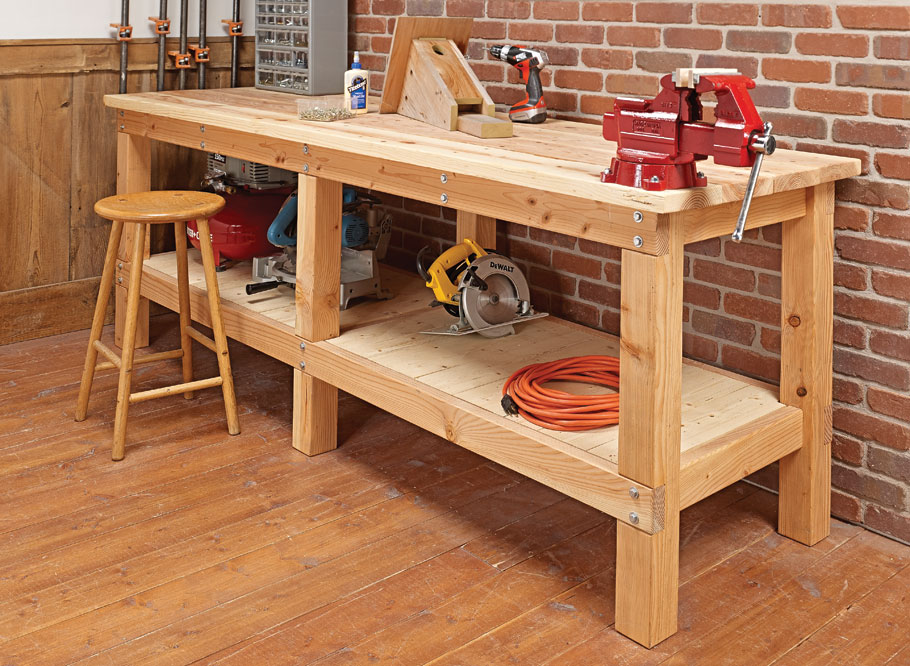
    Heavy-duty plank workbench www.woodsmithplans.com

    Introduction: A Cleaner Workshop is a Happy Workshop Dust. Every woodworker's nemesis. This guide will walk you through building a workbench with integrated dust collection, keeping your workspace cleaner and your lungs healthier. This workbench not only provides a solid work surface but also actively sucks up dust as you create it.
    Step 1: Gathering Your Materials Before you begin, assemble everything you'll need. This includes lumber (2x4s, plywood, and potentially hardwood for the work surface), dust collection fittings (4-inch port, flexible hose), a shop vacuum, screws, glue, measuring tools, saw (circular saw or table saw), drill, and safety equipment (eye protection, dust mask). The amount of lumber will depend on the size of workbench you choose. Plywood is typically used for the box structure and shelves and 2x4 for the legs and framing.
    Step 2: Planning Your Workbench Dimensions Think about how you'll use the workbench. What's the ideal height for comfortable working? How much surface area do you need? Consider the dimensions of your shop vacuum and how you'll integrate it. A common size is around 6 feet long, 30 inches deep, and 36 inches high. Sketch out your plans, noting all measurements, before you start cutting any wood. This is crucial for accurate construction.
    Step 3: Building the Base Frame Start by building the base frame using 2x4 lumber. Cut the pieces to the lengths specified in your plans. Assemble the frame using screws and wood glue. Ensure the frame is square and level. This frame will support the weight of the workbench and everything on it, so make sure it's sturdy. Reinforce the corners with corner braces for added stability.
    Step 4: Adding the Legs Cut four 2x4s to the desired height for your workbench legs. Attach them to the inside corners of the base frame using screws and glue. Again, make sure everything is square and level. Diagonal bracing between the legs will further increase stability and prevent racking.
    Step 5: Constructing the Dust Collection Box This is the heart of the project. The dust collection box will be built underneath the workbench surface. Use plywood to create an enclosed box. Incorporate a 4-inch dust collection port on one side of the box. Make sure the port is easily accessible for connecting your shop vacuum hose. Consider adding baffles inside the box to direct the airflow effectively.
    Step 6: Creating the Slotted Work Surface The work surface needs slots or holes to allow dust to be drawn into the dust collection box. Use plywood or hardwood (for a more durable surface). Cut slots or drill holes across the surface. The spacing and size of these openings will affect the dust collection efficiency. Too few, and dust won't be captured; too many, and the surface may become weak.
    Step 7: Assembling the Work Surface and Dust Collection Box Attach the slotted work surface to the top of the dust collection box, ensuring a tight seal to maximize suction. Screw the box assembly to the base frame. The box needs to sit flush to the frame. Use appropriate screws for attaching plywood or hardwood to the 2x4 frame.
    Step 8: Integrating the Shop Vacuum Connect your shop vacuum to the 4-inch dust collection port on the side of the box using a flexible hose. Secure the hose to prevent leaks. Position the shop vacuum so that it is accessible but out of the way. You might consider building a small enclosure for the shop vacuum to reduce noise.
    Step 9: Adding Shelves and Other Features Consider adding shelves underneath the workbench for storing tools and materials. You can also add drawers, vises, or other features to customize your workbench to your specific needs. Plywood is suitable for shelves. Drawers can be made from plywood or solid wood.
    Step 10: Finishing Touches Sand all surfaces of the workbench to remove any sharp edges or splinters. Apply a finish to protect the wood and make it easier to clean. Consider using a polyurethane finish for durability. Test the dust collection system and make any necessary adjustments. Seal any gaps to prevent dust from escaping.
    Conclusion: A Cleaner, Healthier Workspace Congratulations! You've built a workbench with integrated dust collection. You now have a solid, functional work surface that helps keep your shop cleaner and protects your health. This project improves your woodworking environment, allowing for greater focus and creativity. Enjoy your new, cleaner workshop!

    Heavy-duty Plank Workbench

    Heavy-duty plank workbench www.woodsmithplans.com

    Craftsman Stationary Work Bench: 29-1/2" Wide, 18" Deep, 40-1/4" High, Black Red 23167927 Msc

    Craftsman stationary work bench: 29-1/2" wide, 18" deep, 40-1/4" high, black red 23167927 msc atelier-yuwa.ciao.jp

    14 Super-simple Workbenches You Can Build — The Family Handyman

    14 super-simple workbenches you can build — the family handyman www.familyhandyman.com
    Read More..

    Kamis, 24 Juli 2025

    70+ Woodworking Plans And Projects Pdf

    Woodworking wonders: creating a diy masterpiece! creativitychronicles.com

    Opening: Unleash Your Inner Woodworker with 70+ DIY Plans! Are you itching to create something amazing with your own two hands? Do you dream of a home filled with unique, handcrafted furniture and decor? Well, get ready to dive into the exciting world of woodworking with our ultimate guide to accessing 70+ incredible woodworking plans and projects in PDF format! We'll walk you through each step, from finding the resources to getting started on your first project.
    Step 1: Sourcing the Plans The internet is your friend when it comes to finding woodworking plans. There are several websites and online communities dedicated to sharing these resources.
    • Free Websites: Look for websites that offer free woodworking plans as a promotional tool or as a community contribution. Some popular options include Woodworking Plans, Ana White, and Popular Mechanics (search their archives). Be sure to read reviews, if available, to ensure the plans are accurate and easy to follow.
    • Paid Platforms: Consider exploring paid platforms like Etsy, Craftsy, or woodworking magazines' online stores. These often offer higher-quality, more detailed plans created by professional woodworkers. A small investment can save you time and frustration in the long run.
    • Woodworking Forums and Communities: Join online forums and communities dedicated to woodworking. Members often share plans, tips, and advice, and you might even find some hidden gems in the archives.
    Remember to use search terms like "free woodworking plans PDF," "DIY woodworking projects PDF," or "woodworking project plans download."
    Step 2: Downloading and Organizing Your Plans Once you've found a source, carefully download the PDF files. Before downloading, always check the reputation of the website to avoid downloading any malware.
    • Create a Dedicated Folder: Create a folder on your computer specifically for your woodworking plans. This will help you keep everything organized and easily accessible. You can further sub-divide by skill level or project type.
    • Rename Files Clearly: Rename the PDF files with descriptive names so you can easily identify the project without having to open each file. For example, "Coffee Table Plan Modern Style" or "Birdhouse Plan Beginner Level."
    • Back Up Your Files: It's always a good idea to back up your files to an external hard drive or cloud storage service. That way, you won't lose your valuable plans if your computer crashes.
    Step 3: Choosing Your First Project With your collection of plans growing, it's time to pick your first project! Start small and simple.
    • Beginner-Friendly Projects: Look for projects labeled as "beginner-friendly" or "easy." These typically involve basic cuts and joinery techniques. Examples include birdhouses, small shelves, cutting boards, or simple benches.
    • Review the Plan Thoroughly: Before committing to a project, carefully review the plan. Make sure you understand the materials list, dimensions, cutting diagrams, and assembly instructions.
    • Assess Your Skill Level: Be honest about your skill level and choose a project that you feel comfortable tackling. There's no shame in starting small and gradually working your way up to more complex projects.
    • Consider Available Tools: Make sure you have the necessary tools for the project, or can reasonably access them. Starting a project and realizing you lack a vital tool is frustrating.
    Step 4: Gathering Materials and Tools Once you've chosen a project, it's time to gather your materials and tools.
    • Make a Shopping List: Create a detailed shopping list based on the materials list provided in the plan. Check what you already have on hand to avoid buying duplicates.
    • Source Your Materials: Visit your local lumberyard or hardware store to purchase the necessary lumber, hardware, and finishing supplies. Consider asking for help from the staff if you're unsure about anything.
    • Prepare Your Workspace: Set up a clean and organized workspace with adequate lighting and ventilation. Make sure you have enough room to move around comfortably.
    • Safety First: Ensure you have necessary safety equipment: safety glasses, ear protection, dust mask or respirator.
    Step 5: Following the Plan and Building Your Project Now comes the fun part – actually building your project!
    • Read the Instructions Carefully: Before each step, carefully read the corresponding instructions in the plan. Make sure you understand what you're supposed to do before you start cutting or assembling anything.
    • Double-Check Measurements: Double-check all measurements before making any cuts. Accuracy is crucial for a successful project.
    • Take Your Time: Don't rush through the process. Take your time and focus on doing each step correctly. Patience is key to achieving a high-quality result.
    • Don't Be Afraid to Ask for Help: If you get stuck or confused, don't be afraid to ask for help. Consult online forums, watch YouTube tutorials, or ask a more experienced woodworker for guidance.
    Step 6: Finishing and Enjoying Your Creation Once your project is assembled, it's time to add the finishing touches.
    • Sanding: Sand all surfaces smooth to remove any rough edges or imperfections. Start with a coarse grit sandpaper and gradually work your way up to a finer grit.
    • Finishing: Apply a finish to protect the wood and enhance its beauty. Options include paint, stain, varnish, or oil. Follow the manufacturer's instructions carefully.
    • Admire Your Handiwork: Step back and admire your creation! You built something amazing with your own two hands. Enjoy the satisfaction of your accomplishment.
    Conclusion: The Journey of a Thousand Projects Begins with a Single Plan! Congratulations! You've taken your first step into the wonderful world of woodworking. With access to 70+ plans, the possibilities are endless. Remember to start small, be patient, and never stop learning. Happy woodworking!

    Wooden Carvings

    Wooden carvings hanumantimbers.com

    Top 10 Woodworking Affiliate Programs To Carve Out More Income Potential

    Top 10 woodworking affiliate programs to carve out more income potential onemorecupof-coffee.com

    Woodworking Wonders: Creating A Diy Masterpiece!

    Woodworking wonders: creating a diy masterpiece! creativitychronicles.com
    Read More..

    Rabu, 23 Juli 2025

    79+ Fire Pit Table

    Tropitone banchetto aluminum 42''wide round fire pit table www.luxedecor.com

    Introduction: Creating Your Own Fire Pit Table Building a fire pit table is a rewarding DIY project that adds warmth and ambiance to your outdoor space. This guide provides a step-by-step approach to construct a functional and stylish fire pit table, perfect for gatherings and cozy evenings. Before you start, gather all necessary materials and tools, and familiarize yourself with local regulations regarding open flames and gas line installations if you're opting for a gas-powered pit.
    Step 1: Planning and Design
  • Determine Size and Shape: Decide on the dimensions of your fire pit table based on your available space and desired seating arrangement. Common shapes include square, rectangular, and round. Consider the height as well – typically, a comfortable height for dining is around 28-30 inches.
  • Choose Your Fuel Source: Decide whether you want a wood-burning or gas-powered fire pit. Wood-burning pits are simpler to construct but require more maintenance and produce smoke. Gas-powered pits are cleaner and easier to control but require a gas line connection (which may require professional installation).
  • Sketch Your Design: Create a detailed sketch of your fire pit table, including dimensions, materials, and construction methods. This will serve as a blueprint throughout the building process. Include details like the fire pit insert dimensions, ventilation, and access door for a propane tank (if applicable).
  • Step 2: Gathering Materials The materials you'll need will vary depending on your chosen design and fuel source. Here's a general list:
  • Table Frame: Wood (cedar, redwood, pressure-treated), metal (steel, aluminum), or concrete blocks. Choose a material suitable for outdoor use and resistant to heat and weather.
  • Tabletop Surface: Stone, tile, concrete, or treated wood. Consider using heat-resistant materials around the fire pit insert.
  • Fire Pit Insert: A metal bowl, fire ring, or complete fire pit kit designed for your chosen fuel source. Ensure it's the correct size for your table.
  • Fasteners: Screws, nails, construction adhesive appropriate for your chosen materials.
  • Safety Gear: Safety glasses, gloves, and a dust mask.
  • For Gas-Powered Pits: Gas burner, propane tank or natural gas line connection, gas regulator, shut-off valve, lava rock or fire glass.
  • Step 3: Building the Table Frame
  • Cut the Materials: Cut the wood, metal, or concrete blocks according to your design specifications. Ensure precise cuts for a sturdy and visually appealing frame.
  • Assemble the Frame: Using screws, nails, or construction adhesive, assemble the frame according to your sketch. Ensure the frame is square and level. If using concrete blocks, stack them securely, ensuring a stable base.
  • Add Support: Add internal supports to the frame to strengthen it and provide a stable base for the tabletop. This is especially important for larger tables.
  • Step 4: Installing the Fire Pit Insert
  • Cut the Opening: Carefully cut an opening in the tabletop to accommodate the fire pit insert. Ensure the opening is slightly larger than the insert's outer diameter to allow for easy installation and removal.
  • Position the Insert: Place the fire pit insert into the opening. Ensure it sits securely and is level. If necessary, use shims to adjust the height.
  • Secure the Insert (Optional): Depending on the type of insert, you may need to secure it to the table frame using screws or brackets. Follow the manufacturer's instructions.
  • Step 5: Creating the Tabletop Surface
  • Prepare the Surface: If using stone or tile, prepare a level surface on the table frame. You may need to add a layer of cement board or plywood as a base.
  • Install the Surface: Lay the stone, tile, or wood onto the prepared surface. Use appropriate adhesive or fasteners to secure it in place. Leave a gap around the fire pit insert to prevent direct contact with the heat.
  • Finish the Surface: Apply sealant or finish to the tabletop to protect it from the elements. If using tile, grout the joints.
  • Step 6: Connecting the Gas Line (For Gas-Powered Pits Important!) WARNING: Gas line connections should be handled by a qualified professional to ensure safety and compliance with local regulations.
  • Connect the Gas Line: If you are qualified and permitted to do so, connect the gas burner to the propane tank or natural gas line using a gas regulator and shut-off valve. Ensure all connections are leak-tested using soapy water before use.
  • Place Lava Rock/Fire Glass: Carefully place lava rock or fire glass around the burner inside the fire pit insert. This helps distribute the flames and adds aesthetic appeal.
  • Step 7: Final Touches and Safety Check
  • Inspect the Table: Carefully inspect the entire fire pit table for any loose parts or potential hazards.
  • Test the Fire Pit: Before using the fire pit for the first time, test it in a safe and controlled environment. Start with a small flame and gradually increase the intensity.
  • Clear Surroundings: Ensure the area around the fire pit table is clear of flammable materials. Keep a fire extinguisher or water hose nearby in case of emergencies.
  • Conclusion: Enjoy Your DIY Fire Pit Table Congratulations! You've successfully built your own fire pit table. With proper planning, construction, and safety precautions, you can now enjoy warm and inviting evenings in your outdoor space. Remember to always exercise caution when using the fire pit and adhere to all local regulations regarding open flames. Regularly maintain your fire pit table to ensure its longevity and continued enjoyment.

    The Outdoor Greatroom Company Uptown Crystal Fire Pit Table With Tile Top And Burner & Reviews

    The outdoor greatroom company uptown crystal fire pit table with tile top and burner & reviews www.wayfair.com

    Tropitone Banchetto Aluminum 42''wide Round Fire Pit Table

    Tropitone banchetto aluminum 42''wide round fire pit table www.luxedecor.com

    9 Fire Pit Tables For The Outdoor Area

    9 fire pit tables for the outdoor area www.cute-furniture.com
    Read More..

    Senin, 21 Juli 2025

    Wall cladding stone mixed size seamless 08004 www.sketchuptextureclub.com

    Opening: Embrace Organized Living with a DIY Wall-Mounted Organizer! Tired of cluttered counters and misplaced items? A wall-mounted organizer is the perfect solution! This DIY project provides a stylish and functional way to declutter your space and keep essentials within easy reach. With a few simple materials and tools, you can create a custom organizer that perfectly fits your needs and aesthetic. Let's get started!
    Step 1: Gather Your Materials Before you begin, make sure you have all the necessary materials. This will save you time and frustration later on.
  • Wood planks (size and quantity will depend on your desired organizer dimensions)
  • Baskets (choose baskets that fit your style and storage needs)
  • Hooks (select hooks that can support the weight of the items you'll be hanging)
  • Screws or nails
  • Wood glue (optional, for added strength)
  • Sandpaper
  • Paint or stain (optional, for finishing)
  • Measuring tape
  • Pencil
  • Drill
  • Screwdriver or hammer
  • Level
  • Step 2: Prepare the Wood Planks This step involves cutting, sanding, and finishing the wood planks.
  • Measure and cut the wood planks to the desired length. You'll need at least one plank for the back of the organizer and additional planks for shelves or supports for the baskets.
  • Sand all the wood surfaces to create a smooth finish. This will help the paint or stain adhere properly and prevent splinters.
  • Apply paint or stain to the wood planks, if desired. Allow the paint or stain to dry completely according to the manufacturer's instructions.
  • Step 3: Attach the Baskets and Hooks Now it's time to secure the baskets and hooks to the wood planks.
  • Position the baskets on the wood planks where you want them to be located. Use a pencil to mark the locations for the screws.
  • Pre-drill holes through the wood planks at the marked locations. This will make it easier to screw in the baskets and prevent the wood from splitting.
  • Attach the baskets to the wood planks using screws. Ensure the baskets are securely attached and can hold weight.
  • Determine where you want to place the hooks on the wood planks. Mark the locations for the screws.
  • Pre-drill holes for the hooks and screw them into place. Make sure the hooks are securely attached and facing in the desired direction.
  • Step 4: Assemble the Organizer Assemble the pieces of the organizer.
  • If using multiple planks, connect the shelf support boards to the back board using wood glue and screws or nails. Make sure that the shelf supports are level
  • Ensure everything is aligned correctly and securely fastened.
  • Step 5: Mount the Organizer on the Wall The final step is to mount your newly created organizer on the wall.
  • Locate the studs in your wall using a stud finder. This will provide the strongest support for your organizer.
  • Hold the organizer against the wall at the desired location. Use a level to ensure it is perfectly straight.
  • Mark the locations for the screws through the back of the organizer into the wall studs.
  • Pre-drill holes through the back of the organizer at the marked locations.
  • Attach the organizer to the wall studs using screws. Make sure the screws are long enough to penetrate the studs and securely hold the organizer in place.
  • Conclusion: Enjoy Your Organized Space! Congratulations! You've successfully built your own wall-mounted organizer. Now, organize your items in the baskets and hang items on the hooks. Step back and admire your handy work and the decluttered space you've created. Enjoy your new, organized living area!

    Trump Claims His Wall Is Being Built. It's Just A Replacement Of Old Barriers.

    Trump claims his wall is being built. it's just a replacement of old barriers. www.nytimes.com

    Wall Cladding Stone Mixed Size Seamless 08004

    Wall cladding stone mixed size seamless 08004 www.sketchuptextureclub.com

    What Is A Partition Wall? 12 Types Of Partition Walls

    What is a partition wall? 12 types of partition walls civiltoday.com
    Read More..

    Minggu, 20 Juli 2025

    110+ Easy Woodworking Projects For Gifts

    「簡単」を表す単語の使い分け!「easy」や「simple」の違いとは nativecamp.net

    ```html
    Introduction: Building a Simple Wooden Birdhouse This guide will walk you through creating a basic, yet charming, wooden birdhouse. It's a great project for beginner woodworkers, requires minimal tools and materials, and makes a delightful addition to any garden. Get ready to provide a cozy home for your feathered friends!
    Materials You'll Need:
    • One 1x6 inch board, approximately 6 feet long (pine or cedar recommended)
    • Wood glue
    • 1 1/4 inch wood screws or nails
    • Sandpaper (various grits, e.g., 80, 120, 220)
    • Exterior grade paint or wood stain (optional)
    Tools Required:
    • Saw (hand saw, circular saw, or miter saw)
    • Drill (with drill bits)
    • Measuring tape or ruler
    • Pencil
    • Clamps (optional, but helpful)
    • Hammer (if using nails)
    • Safety glasses
    • Work gloves
    Step 1: Cutting the Wood Using the following dimensions, cut the wood pieces. Remember to always double-check your measurements before cutting.
    • Front: 6" wide x 8" tall
    • Back: 6" wide x 10" tall
    • Sides (2 pieces): 6" wide (at the top), tapering to 4" wide (at the bottom) x 8" tall
    • Bottom: 4" wide x 6" long
    • Roof (2 pieces): 5" wide x 7" long
    Step 2: Assembling the Box Start by attaching the sides to the bottom piece. Apply wood glue to the edges where the pieces connect, then secure them with screws or nails. Next, attach the front and back pieces to the sides and bottom, again using glue and screws/nails. Ensure the back piece extends 2" above the front piece this will create the slope for the roof. Use clamps to hold the pieces together while the glue dries.
    Step 3: Creating the Entrance Hole Decide on the size and placement of the entrance hole on the front piece. A 1 1/2" diameter hole is suitable for wrens and chickadees. Drill the hole carefully using a drill bit slightly larger than your desired hole size, or a hole saw. If you don't have a hole saw, drill a pilot hole and then carefully use a jigsaw to cut out the circle.
    Step 4: Attaching the Roof Attach the roof pieces to the top edges of the front, back, and side pieces. The roof pieces should overhang slightly on all sides to protect the birdhouse from rain. Use glue and screws/nails to secure them in place.
    Step 5: Sanding and Finishing Once the glue is dry, sand all the edges and surfaces of the birdhouse to create a smooth finish. Start with a coarser grit sandpaper (80) to remove any imperfections, then move to finer grits (120 and 220) for a polished look. If desired, paint or stain the birdhouse with an exterior-grade finish to protect it from the elements. Remember to let the finish dry completely before mounting the birdhouse.
    Step 6: Mounting the Birdhouse Decide on a suitable location for your birdhouse. It should be in a sheltered spot, away from predators and direct sunlight. You can mount it on a pole, a tree, or a fence post. Use screws or nails to securely attach the birdhouse to its mounting surface. Consider adding a drainage hole in the bottom of the birdhouse to prevent water from accumulating.
    Conclusion: Enjoy Your New Birdhouse! Congratulations! You've built your own wooden birdhouse. With a little patience and effort, you've created a cozy home for birds and added a touch of charm to your garden. Now, sit back and enjoy watching your new feathered friends move in!
    ```

    Marketing: Where's The Easy Button?

    Marketing: where's the easy button? jewel-images.com

    「簡単」を表す単語の使い分け!「easy」や「simple」の違いとは

    「簡単」を表す単語の使い分け!「easy」や「simple」の違いとは nativecamp.net

    23 Easy Doodles You Can Draw In 5 Minutes

    23 easy doodles you can draw in 5 minutes itsclaudiag.com
    Read More..

    Sabtu, 19 Juli 2025

    158+ Workbench With Built-In Power Strip

    Heavy-duty plank workbench www.woodsmithplans.com

    Opening: The Ultimate DIY Workbench with Integrated Power! Tired of extension cords snaking across your workspace? Want a sturdy and versatile workbench for all your DIY projects? This step-by-step guide will walk you through building a robust workbench with a built-in power strip for convenient access to electricity right where you need it. This project combines functionality and practicality to elevate your crafting experience. Let's get started!
    Step 1: Planning and Materials Before diving in, let's outline the materials and plan the workbench's dimensions. Consider the space you have available and the types of projects you'll be working on.
  • Dimensions: Determine the length, width, and height of your workbench. A common size is 6 feet long, 2 feet wide, and 3 feet tall, but adjust this to suit your needs.
  • Lumber: Use sturdy lumber like 2x4s for the frame and legs, and a thicker material like plywood or a solid-core door for the tabletop.
  • Power Strip: Purchase a power strip with multiple outlets and a long cord. Consider a heavy-duty model with surge protection.
  • Hardware: Screws (various sizes), wood glue, nails (optional), and possibly bolts for added strength.
  • Tools: Saw (circular saw or hand saw), drill, screwdriver, measuring tape, square, safety glasses, and sanding block.
  • Step 2: Building the Frame The frame provides the structural support for the workbench. Accuracy in measurements here is crucial.
  • Cut the Lumber: Cut the 2x4s according to your planned dimensions. You'll need pieces for the legs, top frame, and possibly a lower frame for added stability.
  • Assemble the Top Frame: Construct a rectangular frame using the 2x4s. Use wood glue and screws to join the pieces together. Ensure the frame is square.
  • Attach the Legs: Attach the legs to the inside corners of the frame. Use wood glue and screws to create a strong and stable connection. Consider using pocket holes for a cleaner look.
  • Add a Lower Frame (Optional): For increased stability and storage options, add a lower frame connecting the legs. This can be a simple rectangular frame or a more elaborate design with shelves.
  • Step 3: Installing the Tabletop The tabletop is the working surface of your workbench. Choose a material that is durable and suitable for your projects.
  • Cut the Tabletop: Cut the plywood or solid-core door to the desired size. It should slightly overhang the frame on all sides.
  • Attach the Tabletop: Center the tabletop on the frame. Use wood glue and screws to securely attach it. Ensure the screws are countersunk to prevent them from snagging on anything.
  • Sand the Tabletop: Sand the tabletop smooth to remove any splinters or rough edges. This will create a comfortable and safe working surface.
  • Step 4: Integrating the Power Strip This is where the convenience comes in! You'll need to plan where to mount the power strip so it's easily accessible.
  • Determine Power Strip Placement: Decide where you want to mount the power strip. Common locations include under the tabletop, on the side of a leg, or on a dedicated shelf.
  • Create Mounting Points: Depending on the power strip's design, you may need to drill holes or attach mounting brackets to the workbench frame.
  • Secure the Power Strip: Use screws or other appropriate fasteners to securely attach the power strip to the mounting points. Ensure the power strip is firmly in place and won't move during use.
  • Cord Management: Consider adding cable clips or other cord management solutions to keep the power strip's cord neatly organized and out of the way.
  • Step 5: Finishing Touches Now it's time to add any finishing touches to enhance the workbench's appearance and functionality.
  • Sand All Surfaces: Sand all surfaces of the workbench to smooth out any rough edges or imperfections.
  • Apply a Finish: Apply a protective finish such as paint, varnish, or polyurethane to the workbench. This will protect the wood from moisture and wear and tear.
  • Add Storage (Optional): Consider adding shelves, drawers, or pegboards to the workbench for additional storage.
  • Test the Power Strip: Plug in the power strip and test all the outlets to ensure they are working properly.
  • Conclusion: Your Powered-Up Workbench is Ready! Congratulations! You've successfully built a sturdy and functional workbench with a built-in power strip. This DIY project will provide you with a convenient and organized workspace for all your future DIY endeavors. Enjoy the ease of access to power and the durability of your custom-built workbench!

    Mysql :: Mysql Workbench

    Mysql :: mysql workbench www.mysql.com

    14 Super-simple Workbenches You Can Build — The Family Handyman

    14 super-simple workbenches you can build — the family handyman www.familyhandyman.com

    Heavy-duty Plank Workbench

    Heavy-duty plank workbench www.woodsmithplans.com
    Read More..

    Jumat, 18 Juli 2025

    Wall cladding stone mixed size seamless 08004 www.sketchuptextureclub.com

    Introduction: A Place for Everything Tired of clutter taking over your entryway, kitchen, or office? A wall-mounted organizer with hooks and baskets is a fantastic DIY project to create a stylish and functional storage solution. This guide will walk you through the process step-by-step, allowing you to customize the size and style to perfectly suit your needs and décor.
    Materials You'll Need: Gathering Your Supplies Before you begin, gather the necessary materials. This will ensure a smooth and efficient building process. Here's a list of what you'll need:
  • Lumber (pine, poplar, or your preferred wood): Determine the dimensions of your organizer and purchase lumber accordingly. Consider the thickness for sturdiness.
  • Baskets (wire, woven, or metal): Choose baskets that complement your style and fit the desired space.
  • Hooks: Select hooks that can support the weight of the items you plan to hang.
  • Wood screws: Ensure you have screws of appropriate length for joining the wood pieces.
  • Wood glue: For added strength in the joints.
  • Sandpaper (various grits): For smoothing the wood surfaces.
  • Wood stain or paint: To finish the organizer to your desired color.
  • Polyurethane or varnish (optional): For a protective topcoat.
  • Measuring tape
  • Pencil
  • Saw (circular saw, miter saw, or hand saw)
  • Drill with drill bits
  • Screwdriver or drill with screwdriver bit
  • Clamps
  • Safety glasses
  • Dust mask
  • Step 1: Planning and Design Before you start cutting, sketch out your design. Decide on the overall dimensions of your organizer, the number and placement of baskets, and the spacing for the hooks. Consider the specific items you plan to store and hang to ensure sufficient space and weight capacity. Measure your available wall space to ensure the organizer will fit comfortably.
    Step 2: Cutting the Wood Using your saw, cut the lumber according to your design. You'll typically need:
  • Backboard: The main piece that will be mounted on the wall.
  • Shelves (if desired): For supporting the baskets.
  • Side supports (if desired): To add stability to the shelves.
  • Carefully measure and cut each piece, ensuring accurate dimensions for a professional finish.
    Step 3: Sanding the Wood Using sandpaper, smooth all the edges and surfaces of the cut wood pieces. Start with a coarser grit (e.g., 80-grit) to remove any rough spots, and then move to a finer grit (e.g., 220-grit) for a smooth finish. This will make the staining or painting process easier and result in a more professional look.
    Step 4: Assembling the Frame Begin assembling the frame by attaching the shelves and side supports (if using) to the backboard. Apply wood glue to the joints and then secure with wood screws. Use clamps to hold the pieces together while the glue dries. Ensure the shelves are level and the supports are square.
    Step 5: Finishing the Wood Once the frame is assembled and the glue is dry, apply your chosen wood stain or paint. Follow the manufacturer's instructions for application and drying times. Apply multiple coats if necessary to achieve the desired color and coverage. Once the stain or paint is completely dry, apply a coat of polyurethane or varnish for added protection and durability (optional).
    Step 6: Attaching the Baskets Position the baskets on the shelves (or directly onto the backboard if you didn't use shelves). Secure them in place using wood screws or appropriate fasteners, depending on the basket material. Make sure the baskets are securely attached and can support the weight of the items you plan to store.
    Step 7: Installing the Hooks Determine the desired placement of the hooks along the bottom of the organizer or on the side. Pre-drill pilot holes and then screw in the hooks. Ensure the hooks are securely fastened and can support the weight of the items you plan to hang.
    Step 8: Mounting the Organizer Locate the wall studs where you plan to mount the organizer. Use a stud finder to ensure you are attaching the organizer to a solid support. Pre-drill pilot holes through the backboard and into the wall studs. Secure the organizer to the wall using long wood screws. If you cannot mount directly to studs, use appropriate wall anchors for added support.
    Conclusion: Organize and Enjoy Congratulations! You've successfully built a wall-mounted organizer with hooks and baskets. Now you can enjoy a clutter-free space and easily accessible storage for your belongings. Customize your organizer further with labels, decorations, and accessories to create a personalized and functional piece for your home.

    Trump Claims His Wall Is Being Built. It's Just A Replacement Of Old Barriers.

    Trump claims his wall is being built. it's just a replacement of old barriers. www.nytimes.com

    What Is A Partition Wall? 12 Types Of Partition Walls

    What is a partition wall? 12 types of partition walls civiltoday.com

    Wall Cladding Stone Mixed Size Seamless 08004

    Wall cladding stone mixed size seamless 08004 www.sketchuptextureclub.com
    Read More..