Selasa, 30 September 2025

The 50 best free things to do in nyc www.timeout.com

Introduction: Building a Simple Wooden Birdhouse This guide will walk you through the process of building a basic, yet functional, birdhouse using readily available materials. It's a great beginner woodworking project that's both rewarding and provides a safe haven for our feathered friends.
Materials and Tools Needed: Before you start, gather the following materials and tools:
  • Untreated lumber (pine, cedar, or redwood recommended) approximately 1 board foot
  • Wood glue
  • Wood screws or nails
  • Saw (hand saw, circular saw, or jigsaw)
  • Drill with drill bits (including a hole saw bit for the entrance)
  • Measuring tape or ruler
  • Pencil
  • Sandpaper
  • Clamps (optional but helpful)
Step 1: Cutting the Wood Pieces Cut the wood according to the following dimensions (adjust as needed for your desired size):
  • Front: 6" wide x 8" high
  • Back: 6" wide x 10" high (extends further than front for mounting)
  • Sides (2 pieces): 6" wide x 7" high (tapered at the top see step 2)
  • Bottom: 6" wide x 6" deep
  • Roof (2 pieces): 6" wide x 8" deep
It's crucial to be precise with your measurements and cuts for a well-fitted birdhouse.
Step 2: Shaping the Sides and Creating the Entrance Hole Taper the top of each side piece. Measure 1" down from the top back corner of each side piece and draw a line connecting that point to the top front corner. Cut along this line. This creates a slight slant to the roof. Next, using a hole saw bit, drill an entrance hole in the center of the front piece, approximately 2" down from the top. The size of the hole will determine which birds can use the birdhouse; a 1 1/2" hole is suitable for bluebirds, while smaller birds may prefer a 1 1/8" hole. Sand the edges of the hole to remove splinters.
Step 3: Assembling the Birdhouse Body Apply wood glue to the edges of the bottom piece. Attach the front, back, and side pieces to the bottom, forming a box. Use screws or nails to secure the pieces together. Clamps can be helpful to hold the pieces in place while the glue dries. Ensure the back piece extends above the sides and front.
Step 4: Attaching the Roof Apply wood glue to the top edges of the front, back, and side pieces. Attach the roof pieces, ensuring they overhang slightly on the front and sides. Use screws or nails to secure the roof pieces.
Step 5: Finishing Touches Sand any rough edges and surfaces to ensure a smooth finish. If desired, you can paint or stain the birdhouse with a non-toxic, water-based paint or stain. Avoid using dark colors, as they can overheat the birdhouse. Allow the paint or stain to dry completely before mounting.
Step 6: Mounting the Birdhouse Attach the birdhouse to a tree, post, or fence using screws through the extended back piece. Choose a location that is sheltered from strong winds and direct sunlight. Consider the types of birds you are trying to attract when choosing a location.
Conclusion: Enjoy Your New Birdhouse Congratulations on building your own birdhouse! With a little patience and effort, you've created a welcoming home for birds in your area. Observe your birdhouse and enjoy watching the new tenants move in. Regular cleaning (usually in the late fall or early winter) is important for the health of future bird families.

The 50 Best Free Things To Do In Nyc

The 50 best free things to do in nyc www.timeout.com

3840×2160 Images Free Download

3840×2160 images free download www.pixelstalk.net

When "free" Is Not Actually Free

When "free" is not actually free lowey.com
Read More..

Minggu, 28 September 2025

File:concrete wall.jpg commons.wikimedia.org

Opening: Declutter Your Space with a DIY Wall Mounted Coat Rack Are you tired of coats and bags piled up near your doorway? A wall-mounted coat rack with a shelf is the perfect solution to add both storage and style to your entryway, hallway, or even your bedroom. This DIY project is achievable for beginners with basic woodworking skills and tools. Let's get started building your own!
Step 1: Gather Your Materials and Tools First, you'll need to collect the following:
  • Lumber: Choose your desired wood type (pine, oak, maple, etc.). You'll need a board for the shelf (e.g., 1"x8" or 1"x10") and a board for the base where the hooks will be mounted (e.g., 1"x4" or 1"x6"). The length will depend on your space and desired number of hooks.
  • Hooks: Select coat hooks that match your style and can support the weight of coats and bags.
  • Wood Screws: Assorted sizes for attaching the shelf to the base and mounting the coat rack to the wall.
  • Wood Glue: For a stronger bond between the shelf and base.
  • Sandpaper: Various grits (e.g., 120, 220) for smoothing the wood.
  • Wood Stain or Paint: To finish the coat rack according to your preference.
  • Polyurethane or Varnish: For a protective top coat.
  • Tools: Saw (circular saw, hand saw, or miter saw), drill, screwdriver, measuring tape, pencil, clamps, sander (optional), paintbrushes or rags.
  • Step 2: Cut the Lumber to Size Measure and mark the desired lengths for your shelf and base boards. Use your saw to cut the lumber accurately to the marked dimensions. Ensure the cuts are straight for a professional-looking finish.
    Step 3: Sand the Wood Use sandpaper to smooth all surfaces of the shelf and base boards. Start with a coarser grit (e.g., 120) to remove any imperfections and then move to a finer grit (e.g., 220) for a smooth finish. Sanding prevents splinters and provides a better surface for staining or painting.
    Step 4: Assemble the Shelf and Base Apply wood glue to the top edge of the base board. Position the shelf board on top of the base board, ensuring it's centered. Use clamps to hold the pieces together tightly while the glue dries. Reinforce the connection by drilling pilot holes through the base board into the shelf board and then securing them with wood screws.
    Step 5: Mark and Attach the Hooks Decide on the spacing for your hooks along the base board. Mark the positions with a pencil. Drill pilot holes at the marked locations to prevent the wood from splitting. Attach the hooks using the screws provided with the hooks. Make sure the hooks are securely fastened.
    Step 6: Stain or Paint the Coat Rack Apply your chosen stain or paint to the entire coat rack. Follow the manufacturer's instructions for application and drying times. If staining, wipe off excess stain with a clean rag. Allow the stain or paint to dry completely before proceeding.
    Step 7: Apply a Protective Finish Apply a coat of polyurethane or varnish to protect the stained or painted surface. This will make the coat rack more durable and resistant to scratches and moisture. Let it dry completely according to the manufacturer's instructions. You may want to apply multiple coats for added protection, sanding lightly between coats.
    Step 8: Mount the Coat Rack to the Wall Locate wall studs in the desired location for your coat rack. Use a stud finder for accuracy. Drill pilot holes through the base board into the wall studs. Use appropriate-sized screws (long enough to penetrate deeply into the stud) to securely mount the coat rack to the wall. If you can't mount directly to studs, use wall anchors designed for heavy items.
    Conclusion: Enjoy Your New Organized Space Congratulations! You've successfully built your own wall-mounted coat rack with a shelf. Hang your coats, bags, and hats, and enjoy the newly organized and stylish space. You can customize this project with different wood types, stains, paints, and hook styles to perfectly match your home decor. This DIY coat rack provides functional storage and adds a personalized touch to any room.

    What Is A Partition Wall? 12 Types Of Partition Walls

    What is a partition wall? 12 types of partition walls civiltoday.com

    Building The Wall Has Many Benefits

    Building the wall has many benefits panthernow.com

    File:concrete Wall.jpg

    File:concrete wall.jpg commons.wikimedia.org
    Read More..

    Sabtu, 27 September 2025

    160+ Ladder Chair

    Bddw bddw.com

    Introduction: The Versatile Ladder Chair Welcome! In this post, we will guide you through the process of building your own ladder chair. A ladder chair, also known as a convertible chair or a library chair, is a clever piece of furniture that can function both as a chair and as a small step ladder. This DIY project is perfect for those who enjoy woodworking and appreciate space-saving designs. Let's get started!
    Materials and Tools Needed Before we start building, gather all the necessary materials and tools. Having everything on hand will make the process smoother and more efficient. Here's what you'll need:
    • Wood: Pine or hardwood lumber (dimensions will vary based on your desired chair size, but plan for approximately 10-12 feet of lumber)
    • Wood Glue
    • Screws: Wood screws of various lengths (1", 1 1/4", 2")
    • Sandpaper: Various grits (e.g., 80, 120, 220)
    • Wood Finish: Stain, varnish, or paint (your choice)
    • Safety Glasses
    • Hearing Protection
    • Measuring Tape
    • Pencil
    • Square
    • Saw: Circular saw, miter saw, or hand saw
    • Drill: With drill bit set and countersink bit
    • Clamps
    • Router (Optional): For rounding edges
    Step 1: Planning and Cutting the Wood Careful planning and accurate cutting are crucial for a successful ladder chair build.
    • Draw a Plan: Sketch out your ladder chair design with specific dimensions. Consider the seat height, ladder height, and overall proportions. There are plenty of ladder chair designs online that you can use for inspiration or base your design on.
    • Create a Cut List: Based on your plan, create a detailed cut list specifying the length and quantity of each piece of wood you'll need.
    • Cut the Wood: Carefully cut all the wood pieces according to your cut list using the appropriate saw. Ensure the cuts are square and accurate.
    Step 2: Building the Ladder Sides The ladder sides form the structural backbone of your chair.
    • Assemble the Side Rails: Glue and screw the side rails together. The side rails are usually made of two pieces to provide a wider, more stable base for the steps. Clamp the pieces together while the glue dries.
    • Attach the Steps: Attach the ladder steps to the side rails. Use wood glue and screws for a strong connection. Make sure the steps are evenly spaced and level. Use a square to ensure they are at a 90-degree angle to the side rails.
    • Repeat: Build two identical ladder sides.
    Step 3: Constructing the Chair Back/Seat Support This part will form the back of the chair when in chair form and act as the support for the seat.
    • Create the Back/Support Frame: Build a rectangular frame using wood glue and screws. This frame's width should match the distance between the two ladder sides.
    • Attach to Ladder Sides: Carefully attach this frame to the ladder sides. The placement is critical, as it determines the seat height and chair angle. Ensure the frame is securely attached with wood glue and screws.
    Step 4: Creating the Seat The seat is the most frequently used part of the build and must be durable.
    • Build the Seat Frame: Construct a seat frame to the required size and dimensions. This will be the support for the seat planks.
    • Add Seat Planks: Attach the seat planks to the seat frame with wood glue and screws. Ensure the planks are evenly spaced and securely fastened.
    Step 5: Installing the Hinge Mechanism The hinge is what turns the ladder into a chair.
    • Attach Hinges: Attach heavy-duty hinges to the bottom of the seat frame and the top of the back/seat support. This allows the seat to pivot and convert the ladder into a chair. Ensure the hinges are properly aligned and securely fastened. Use screws that are long enough to bite into the wood but not so long that they poke through.
    Step 6: Finishing and Sanding Finishing is vital to protect the wood and add beauty.
    • Sand All Surfaces: Thoroughly sand all surfaces of the ladder chair, starting with a coarser grit sandpaper (e.g., 80 or 120) and progressing to a finer grit (e.g., 220). This will smooth out any imperfections and prepare the wood for finishing.
    • Round Over Edges (Optional): Use a router with a rounding-over bit to soften the edges of the wood. This will improve the comfort and appearance of the chair.
    • Apply Finish: Apply your chosen wood finish (stain, varnish, or paint) according to the manufacturer's instructions. Allow the finish to dry completely between coats and lightly sand with fine-grit sandpaper for a smooth, even finish.
    Step 7: Final Assembly and Testing Before you call your ladder chair complete, make sure everything is safe.
    • Check All Connections: Ensure all screws are tight, and all joints are secure.
    • Test the Conversion: Carefully test the conversion between ladder and chair modes. Make sure the mechanism works smoothly and that the chair is stable in both configurations.
    Conclusion: Enjoy Your DIY Ladder Chair! Congratulations! You have successfully built your own ladder chair. This versatile piece of furniture will be a valuable addition to your home, providing both a comfortable seat and a convenient step ladder. Enjoy the fruits of your labor!

    Bddw

    Bddw bddw.com

    Bddw

    Bddw bddw.com

    Bddw

    Bddw bddw.com
    Read More..

    Jumat, 26 September 2025

    180+ Outdoor Wooden Storage Box With Lid

    Unlock the key to outdoor storage: a review of 5 wooden outdoor storage boxes! luckslist.com

    ```html
    Introduction: Building Your Own Outdoor Wooden Storage Box Creating your own outdoor wooden storage box is a rewarding project that adds valuable storage space to your patio, deck, or garden while enhancing its aesthetic appeal. This guide provides a step-by-step process to build a sturdy and attractive storage box with a lid.
    Materials and Tools Needed: Before you begin, gather the necessary materials and tools. This ensures a smooth and efficient building process.
  • Wood (Cedar or pressure-treated lumber is recommended for outdoor use. Determine the dimensions of your desired box to calculate the amount needed).
  • Screws (exterior grade)
  • Wood glue (exterior grade)
  • Sandpaper
  • Wood stain or paint (and sealant, if desired)
  • Hinges (for the lid)
  • Latch (to secure the lid)
  • Measuring tape
  • Pencil
  • Saw (circular saw, miter saw, or hand saw)
  • Drill/Driver
  • Clamps
  • Safety glasses
  • Dust mask
  • Step 1: Planning and Cutting the Wood Start by determining the desired dimensions of your storage box (length, width, and height). Based on these dimensions, create a cut list that specifies the size and quantity of each piece of wood required (sides, bottom, front, back, and lid). Precisely cut the wood pieces according to your cut list.
    Step 2: Assembling the Box Begin assembling the box by attaching the side pieces to the front and back pieces. Apply wood glue to the edges before joining them together. Secure the pieces using screws, ensuring they are evenly spaced. Use clamps to hold the pieces together while the glue dries. Repeat the process to attach the bottom piece, ensuring it is flush with the sides.
    Step 3: Building the Lid Cut the wood pieces for the lid according to your plan. Assemble the lid pieces, similar to the box construction, using wood glue and screws. Consider adding a frame around the lid for added strength and a more finished look.
    Step 4: Sanding and Finishing Once the box and lid are assembled, thoroughly sand all surfaces to create a smooth finish. Remove any sharp edges or splinters. Apply wood stain or paint of your choice to protect the wood and enhance its appearance. Allow the finish to dry completely according to the manufacturer's instructions. Apply a sealant if desired for extra protection from the elements.
    Step 5: Attaching the Lid and Hardware Attach the lid to the box using hinges. Position the hinges evenly along the back edge of the box and lid, and secure them with screws. Install a latch on the front of the box to keep the lid securely closed.
    Conclusion: Enjoy Your New Outdoor Storage Box Congratulations! You have successfully built your own outdoor wooden storage box. Now you can use it to store garden tools, patio cushions, pool supplies, or any other items you want to keep organized and protected from the elements.
    ```

    Wooden Outdoor Storage Box

    Wooden outdoor storage box storables.com

    Unlock The Key To Outdoor Storage: A Review Of 5 Wooden Outdoor Storage Boxes!

    Unlock the key to outdoor storage: a review of 5 wooden outdoor storage boxes! luckslist.com

    Unlock The Key To Outdoor Storage: A Review Of 5 Wooden Outdoor Storage Boxes!

    Unlock the key to outdoor storage: a review of 5 wooden outdoor storage boxes! luckslist.com
    Read More..

    Kamis, 25 September 2025

    121+ Woodworking Plans For Guitar Stand

    Woodworking wallpapers wallpaperaccess.com

    ```html
    Introduction: Building Your Own Guitar Stand Building a guitar stand is a rewarding project for any guitarist or woodworker. Not only can you create a stand perfectly tailored to your instrument and aesthetic preferences, but you'll also save money and gain a valuable skill. This guide will take you through the process step-by-step, from gathering materials to finishing your custom guitar stand.
    Step 1: Planning and Design Before you start cutting wood, it's crucial to plan your design. Consider the type of guitar you'll be holding (acoustic, electric, bass), the desired height and angle of the stand, and the overall aesthetic you're aiming for. Here are some things to consider:
    • Guitar Type: Acoustic guitars need a wider and deeper support than electric guitars.
    • Stand Style: A-frame, single-leg, or multi-guitar stands are all options.
    • Materials: Choose wood that is strong, stable, and aesthetically pleasing. Hardwoods like maple, walnut, or oak are excellent choices, but softwood like pine will also work.
    Sketch your design and create a cut list to ensure you have enough materials. A detailed plan will minimize errors and waste.
    Step 2: Gathering Materials and Tools Once you have a design, gather your materials and tools. Here's a list of common items you'll need:
    • Wood: Based on your cut list, purchase the required amount of lumber.
    • Screws or Dowels: For joining the wood pieces together.
    • Wood Glue: For a strong and durable bond.
    • Sandpaper: Various grits for smoothing the wood.
    • Finish: Stain, varnish, or lacquer to protect and enhance the wood.
    • Padding: Felt, foam, or rubber to protect your guitar's finish.
    • Tools: Saw (circular saw, jigsaw, or hand saw), drill, screwdriver, measuring tape, pencil, clamps, sanding block, and safety glasses.
    Step 3: Cutting the Wood Carefully measure and cut the wood pieces according to your cut list. Accuracy is key for a stable and well-fitting guitar stand. Double-check your measurements before each cut.
    Step 4: Assembling the Stand Assemble the stand according to your design. Apply wood glue to the joints and secure them with screws or dowels. Use clamps to hold the pieces together until the glue dries completely.
    Step 5: Sanding and Finishing Once the glue has dried, sand all surfaces of the stand, starting with a coarser grit sandpaper and working your way to a finer grit. This will remove any imperfections and create a smooth surface for finishing. Apply your chosen finish according to the manufacturer's instructions. Multiple coats may be necessary for the desired level of protection and appearance. Allow each coat to dry completely before applying the next.
    Step 6: Adding Padding Apply padding to the areas where the guitar will make contact with the stand. This will prevent scratches and protect your instrument's finish. Felt or foam padding can be glued or stapled to the wood.
    Step 7: Final Inspection and Adjustments Inspect the finished stand for any loose joints or sharp edges. Make any necessary adjustments to ensure the stand is stable and safe for your guitar.
    Conclusion: Enjoy Your Handcrafted Guitar Stand Congratulations! You have successfully built your own guitar stand. Enjoy the satisfaction of using a stand that you created yourself, perfectly tailored to your needs and style. This project can be customized further with different wood types, finishes, and padding options to create a truly unique and functional piece.
    ```

    24 Must-have Woodworking Tools For Your Workshop

    24 must-have woodworking tools for your workshop www.grainger.com

    Woodworking

    Woodworking 4hab.com

    Woodworking Wallpapers

    Woodworking wallpapers wallpaperaccess.com
    Read More..

    Rabu, 24 September 2025

    Wood workbench kit home depot freefurnitureplanner.blogspot.com

    ```html
    Introduction: A Cleaner Workshop with a DIY Dust Collecting Workbench Dust is the enemy of a tidy and healthy workshop. This post will guide you through building a robust workbench equipped with a built-in dust collection system. This project combines woodworking skills with practical design to create a functional and clean workspace.
    Materials and Tools Needed Before we dive into construction, gather these essential materials and tools:
    • Wood: Plywood (¾" and ½"), solid wood (2x4s for the frame). The specific quantities will depend on your desired workbench size.
    • Dust Collection Components: Shop vacuum, dust collection hose, blast gate, fittings (as needed).
    • Fasteners: Wood screws, nails, glue.
    • Tools: Saw (circular saw, table saw, or hand saw), drill, impact driver, measuring tape, square, pencil, safety glasses, dust mask.
    • Optional: Router, miter saw, clamps, sanding block.
    Step 1: Designing Your Workbench Plan the dimensions of your workbench based on your available space and needs. Consider the height, width, and depth. Sketch a basic design, including the placement of the dust collection components. A common size is approximately 6 feet wide, 3 feet deep, and 3 feet high. Take into account the space needed for your vacuum and hose.
    Step 2: Building the Frame Cut the 2x4 lumber to the required lengths for the frame. Construct a rectangular base frame, ensuring it's square. Attach the frame pieces using screws and wood glue for a strong and stable foundation. Add vertical supports to the frame at regular intervals (e.g., every 2 feet) to provide additional strength and to support the workbench top.
    Step 3: Creating the Workbench Top Cut the ¾" plywood to the desired size for the workbench top. Attach it to the frame using screws and glue. Ensure the top is flush with the frame. You can add a second layer of plywood for increased thickness and durability. If desired, apply edge banding to the plywood for a cleaner look.
    Step 4: Integrating the Dust Collection System This is where the magic happens. Cut a hole in the workbench top where you want to position your primary dust collection point (e.g., near where you'll be sanding or routing). Attach a fitting to this hole that connects to your dust collection hose. Consider adding a small hood or enclosure around this point to improve dust capture. Route the dust collection hose beneath the workbench to your shop vacuum.
    Step 5: Adding Internal Dust Channels (Optional) For more comprehensive dust collection, you can build internal dust channels within the workbench. Use ½" plywood to create dividers and enclosures underneath the workbench top. Connect these channels to the main dust collection point using smaller hoses or fittings. This allows you to collect dust from multiple locations simultaneously.
    Step 6: Installing the Blast Gate Install a blast gate in the dust collection hose line. This allows you to control the airflow to the workbench and close it off when not in use, maximizing the suction power of your shop vacuum for other tools. Position the blast gate in an easily accessible location.
    Step 7: Securing the Vacuum and Hose Create a secure space under the workbench to house your shop vacuum. This can be a shelf or a dedicated enclosure. Ensure the vacuum is easily accessible for maintenance and emptying. Secure the dust collection hose to the workbench frame to prevent it from tangling or getting in the way.
    Step 8: Finishing and Testing Sand all surfaces of the workbench to remove any splinters or rough edges. Apply a finish to protect the wood and improve its appearance. Test the dust collection system by using various tools on the workbench and observing how effectively it captures dust. Make any necessary adjustments to the hose placement or fittings to optimize performance.
    Conclusion: A Cleaner, More Efficient Workspace Congratulations! You've successfully built a workbench with a built-in dust collection system. This project will significantly improve the cleanliness and efficiency of your workshop, making your woodworking experience more enjoyable and healthier. Remember to regularly empty your shop vacuum and maintain the dust collection system for optimal performance.
    ```

    Wood Workbench Kit Home Depot

    Wood workbench kit home depot freefurnitureplanner.blogspot.com

    Mysql :: Mysql Workbench

    Mysql :: mysql workbench www.mysql.com

    Craftsman Stationary Work Bench: 29-1/2" Wide, 18" Deep, 40-1/4" High, Black Red 23167927 Msc

    Craftsman stationary work bench: 29-1/2" wide, 18" deep, 40-1/4" high, black red 23167927 msc atelier-yuwa.ciao.jp
    Read More..

    Selasa, 23 September 2025

    160+ Fine Woodworking Magazine Archive

    Magazine www.finewoodworking.com

    Introduction: Creating a Simple Wooden Birdhouse Building a birdhouse is a rewarding project that provides shelter for our feathered friends. This guide offers a simple, step-by-step approach to constructing a classic wooden birdhouse, perfect for beginners. Let's get started!
    Materials and Tools You'll Need: Here's a list of the necessary items to complete this project:
  • Untreated wood (pine, cedar, or redwood are good choices) approximately 1 board foot
  • Wood glue
  • Nails or screws
  • Saw (hand saw or power saw)
  • Drill with various sized bits (including a pilot drill bit)
  • Measuring tape or ruler
  • Pencil
  • Sandpaper
  • Clamps (optional, but helpful)
  • Safety Glasses
  • Step 1: Cutting the Wood Pieces Following the dimensions below, carefully cut the wood pieces. These dimensions are for a basic birdhouse, but feel free to adjust them to your preference. Remember, accuracy is key for a snug fit!
  • Front: 6" wide x 8" tall
  • Back: 6" wide x 10" tall
  • Sides (2 pieces): 6" wide x 7" tall (angled at the top to match the roof slope)
  • Bottom: 6" wide x 6" long
  • Roof (2 pieces): 6" wide x 8" long
  • Use a saw to carefully cut each piece according to the measurements above. Be sure to wear safety glasses while cutting the wood.
    Step 2: Assembling the Birdhouse Body Now, we will assemble the main structure of the birdhouse.
  • Apply wood glue to the edges of the bottom piece.
  • Attach the front, back, and side pieces to the bottom, ensuring they are square and flush.
  • Use nails or screws to secure the pieces together. Clamps can be helpful to hold the pieces in place while the glue dries.
  • Allow the glue to dry completely before proceeding to the next step.
  • Step 3: Creating the Entrance Hole and Ventilation This step is crucial for the comfort and safety of the birds.
  • Decide on the size of the entrance hole, which depends on the type of bird you want to attract. A 1 1/2" hole is suitable for many common songbirds.
  • Use a drill with a hole saw or Forstner bit to create the entrance hole in the center of the front piece, about 2 inches from the top.
  • Drill small ventilation holes near the top of the side pieces to provide airflow and prevent overheating.
  • Step 4: Attaching the Roof With the main structure assembled, it's time to add the roof.
  • Apply wood glue to the top edges of the front, back, and side pieces.
  • Attach the roof pieces, ensuring they overhang equally on both sides and the front.
  • Secure the roof pieces with nails or screws.
  • Step 5: Sanding and Finishing Sanding and finishing will make the birdhouse more durable and aesthetically pleasing.
  • Sand all the edges and surfaces of the birdhouse to remove any splinters or rough spots.
  • Optional: Apply a non-toxic, water-based sealant or paint to the exterior of the birdhouse for added protection against the elements. Avoid using bright colors or elaborate decorations, as they may deter birds.
  • Step 6: Installation Choose a suitable location to install your birdhouse.
  • Mount the birdhouse on a pole, tree, or building, facing away from prevailing winds.
  • Ensure the birdhouse is securely attached to prevent it from falling.
  • Consider adding some wood shavings inside to help birds start their nest.
  • Conclusion: Enjoy Your New Birdhouse! Congratulations! You have successfully built a simple wooden birdhouse. Now, sit back and enjoy watching the birds move in and make it their home. Remember to clean out the birdhouse annually after the nesting season to keep it a safe and healthy environment for future generations of birds.

    Magazine

    Magazine www.finewoodworking.com

    Magazine

    Magazine www.finewoodworking.com

    Magazine

    Magazine www.finewoodworking.com
    Read More..

    Senin, 22 September 2025

    42+ Workbench Tool Play Set

    Mysql :: mysql workbench www.mysql.com

    Introduction: Building a DIY 42+ Piece Workbench Tool Playset Want to spark your child's creativity and provide hours of engaging play? Building a DIY workbench tool playset can be a rewarding project that's both fun for you and educational for your little one. This guide will walk you through the process of creating a durable and exciting workbench that can house over 42 play tools.
    Materials You'll Need:
  • Plywood sheets (various thicknesses, e.g., 3/4" for the main structure, 1/4" for smaller details)
  • Wooden dowels (different diameters)
  • Screws
  • Wood glue
  • Sandpaper (various grits)
  • Paint or stain (non-toxic)
  • Play tools (or plans to create your own wooden play tools)
  • Optional: Pegboard, metal or plastic containers for storage
  • Tools Required:
  • Saw (circular saw, jigsaw, or hand saw)
  • Drill with various drill bits
  • Screwdriver
  • Sander (or sandpaper and sanding block)
  • Measuring tape
  • Pencil
  • Clamps
  • Safety glasses and mask
  • Step-by-Step Instructions:
  • Step 1: Design and Planning: Begin by sketching out your workbench design. Consider the desired height, width, and depth. Plan for shelves, drawers, and a pegboard for tool storage. Determine the dimensions of each piece of plywood needed based on your design.
  • Step 2: Cutting the Plywood: Carefully measure and cut the plywood sheets according to your planned dimensions. Use a saw appropriate for the thickness of the wood, ensuring clean and accurate cuts. Use safety glasses!
  • Step 3: Assembling the Workbench Frame: Assemble the main frame of the workbench using screws and wood glue. Clamp the pieces together while the glue dries to ensure a strong and stable structure.
  • Step 4: Adding Shelves and Drawers: Install shelves by attaching them to the frame using screws and glue. Build drawer boxes using plywood and attach drawer slides to the frame and the drawer boxes for smooth operation.
  • Step 5: Creating the Work Surface: Cut a piece of plywood to the desired size for the workbench surface. Attach it to the frame using screws and glue. Consider adding a thicker piece of plywood for added durability.
  • Step 6: Adding a Pegboard: Cut a pegboard to size and attach it to the back of the workbench. This provides a convenient way to organize and display play tools.
  • Step 7: Sanding and Finishing: Thoroughly sand all surfaces of the workbench to remove any rough edges and splinters. Apply a non-toxic paint or stain to the wood, following the manufacturer's instructions. Allow the paint or stain to dry completely.
  • Step 8: Adding Tool Storage: Install wooden dowels to hang tools, add metal or plastic containers to hold screws and small parts, and arrange the play tools on the pegboard.
  • Step 9: Creating/Acquiring the 42+ Tools: Acquire a premade 42+ tool play set. Alternatively, create some or all of the tools out of wood scraps, use dowels and plywood to make hammers, screwdrivers, wrenches, and other tools. Be sure to smooth all edges and avoid sharp points.
  • Conclusion: Congratulations on building your DIY 42+ piece workbench tool playset! This project not only provides a fun and engaging toy for your child but also offers a valuable learning experience. Enjoy watching your child explore their creativity and develop their problem-solving skills with their new workbench. Remember safety first!

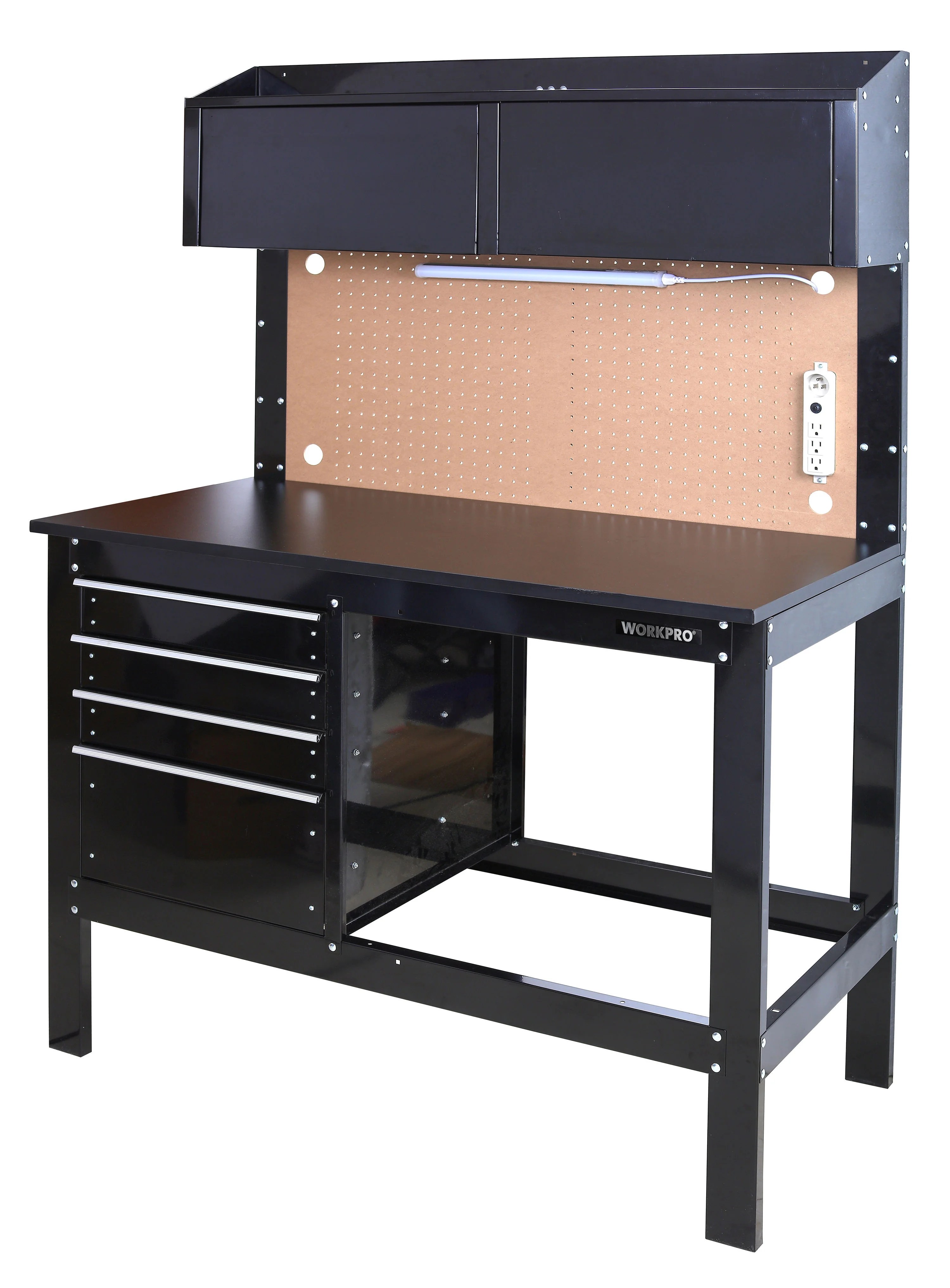
    "bentism 48x24"" Workbench With Power Outlets, 1500w, 220lbs Load, Heavy-duty Steel"

    "bentism 48x24"" workbench with power outlets, 1500w, 220lbs load, heavy-duty steel" www.walmart.com

    Mysql :: Mysql Workbench

    Mysql :: mysql workbench www.mysql.com

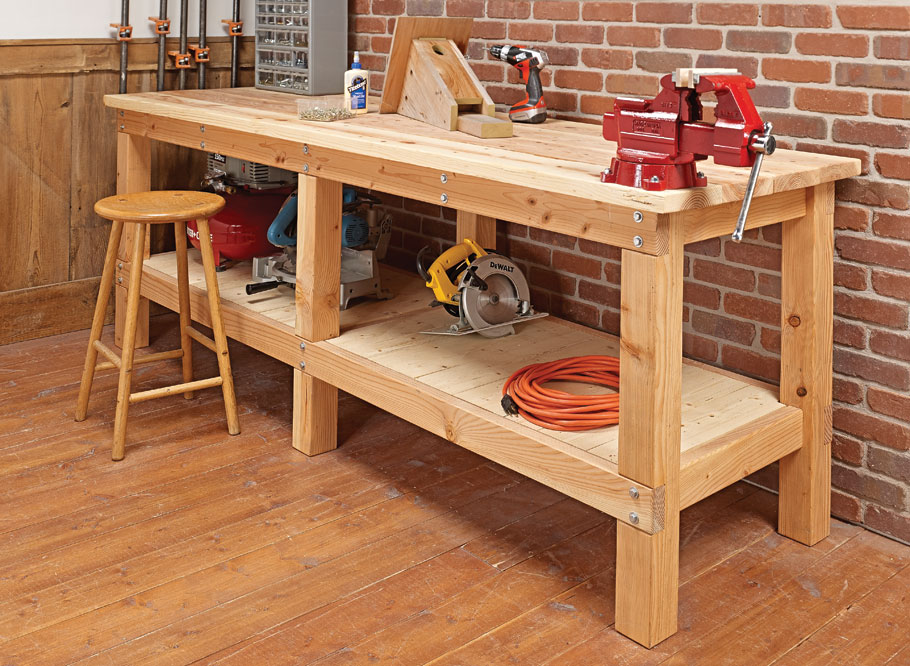
    Heavy-duty Plank Workbench

    Heavy-duty plank workbench www.woodsmithplans.com
    Read More..

    Minggu, 21 September 2025

    175+ Kids Toy Storage Bench With Drawers

    The secrets to happy children www.angelibebe.com

    Introduction: Creating a Kid-Friendly Storage Bench Want to declutter your kids' playroom and add a functional piece of furniture? Building a DIY toy storage bench with drawers is a fantastic project. This guide provides a step-by-step approach to create a sturdy and appealing storage solution.
    Materials and Tools: Gathering Your Supplies Before you begin, assemble the necessary materials. This will include lumber (plywood or solid wood), drawer slides, wood glue, screws, sandpaper, paint or stain, handles/knobs, a saw (circular or hand saw), a drill, a measuring tape, and safety glasses.
    Step 1: Design and Planning First, sketch out the desired dimensions of your bench. Consider the available space and the amount of storage needed. Decide on the number and size of the drawers. Create a detailed plan or cut list to ensure accurate material cuts.
    Step 2: Cutting the Wood Based on your plan, carefully cut the lumber into the required pieces for the bench frame, drawer boxes, and bench top. Use precise measurements to ensure a clean and professional finish. Sand the cut edges to prevent splinters.
    Step 3: Assembling the Bench Frame Begin constructing the main frame of the bench. Use wood glue and screws to join the side panels, back panel, and bottom panel. Ensure the frame is square and sturdy.
    Step 4: Building the Drawer Boxes Construct the drawer boxes by gluing and screwing the drawer sides, front, back, and bottom together. Make sure the drawer boxes are appropriately sized to fit into the bench frame openings.
    Step 5: Installing the Drawer Slides Attach the drawer slides to the inside of the bench frame and to the sides of the drawer boxes. Follow the manufacturer's instructions for proper alignment and secure mounting.
    Step 6: Attaching the Bench Top Secure the bench top to the frame using wood glue and screws. Ensure the top is aligned correctly and provides a stable seating surface.
    Step 7: Sanding and Finishing Thoroughly sand the entire bench to create a smooth surface for painting or staining. Apply your chosen finish, following the product instructions. Consider using non-toxic paints or stains suitable for children's furniture.
    Step 8: Adding Hardware and Finishing Touches Install the drawer handles or knobs. Check the drawers for smooth operation and make any necessary adjustments. Consider adding decorative elements or cushions to enhance the bench's appeal.
    Conclusion: Enjoy Your New Toy Storage Bench Congratulations! You have successfully built a DIY toy storage bench with drawers. This functional and attractive piece of furniture will help keep your kids' playroom organized and provide a comfortable seating area.

    The Secrets To Happy Children

    The secrets to happy children www.angelibebe.com

    Mizner Kids Summer Camp

    Mizner kids summer camp miznercc.org

    Kidstoo.org

    Kidstoo.org www.kidstoo.org
    Read More..

    Sabtu, 20 September 2025

    78+ Workbench With Pegboard And Vise

    Home depot workbenches with drawers javdna06.blogspot.com

    Opening: Your Ultimate DIY Workbench Project Ready to tackle your next project with confidence and organization? Building your own workbench with a built-in pegboard and vise is a fantastic way to level up your workspace. This guide will walk you through each step of the process, from gathering materials to enjoying your newly constructed haven for creativity. Let's get started!
    Step 1: Planning and Design Before you grab your hammer, take some time to plan. Consider the size of your workspace and the projects you'll be working on.
  • Determine the dimensions of your workbench. A standard size is around 6 feet long, 2-3 feet wide, and 36-40 inches high.
  • Sketch out your design, including the placement of the vise and pegboard.
  • Decide on the materials. Common choices include construction lumber (2x4s, 4x4s), plywood, and MDF.
  • Create a materials list based on your design. Don't forget hardware like screws, nails, and bolts.
  • Step 2: Gathering Your Materials and Tools Once you have your plans, it's time to gather the necessary supplies. Here's a list to get you started:
  • Lumber: 4x4 posts for legs, 2x4s for the frame, plywood or MDF for the workbench top and pegboard.
  • Pegboard: Choose the size that fits your design.
  • Vise: Select a suitable bench vise.
  • Fasteners: Screws, nails, bolts, and wood glue.
  • Tools: Saw (circular saw or miter saw), drill, screwdriver, measuring tape, level, clamps, safety glasses, and a pencil.
  • Step 3: Building the Workbench Frame The frame is the foundation of your workbench.
  • Cut the 2x4 lumber to the desired lengths for the frame (top and bottom).
  • Assemble the frame using screws and wood glue. Ensure the frame is square using a level and measuring tape.
  • Cut the 4x4 posts to the desired height for the legs.
  • Attach the legs to the frame using screws and wood glue. Reinforce with bolts if necessary.
  • Add additional 2x4s between the legs for added support and to create a lower shelf (optional).
  • Step 4: Constructing the Workbench Top The workbench top provides a sturdy work surface.
  • Cut the plywood or MDF to the desired size for the workbench top.
  • Attach the top to the frame using screws and wood glue.
  • Consider adding multiple layers of plywood or MDF for a thicker and more durable work surface.
  • Sand the edges and surface of the top for a smooth finish.
  • Step 5: Installing the Vise The vise is a valuable tool for holding workpieces securely.
  • Determine the location for the vise on the workbench top.
  • Mark the holes for the vise mounting bolts.
  • Drill pilot holes for the bolts.
  • Attach the vise to the workbench top using the appropriate bolts and washers.
  • Step 6: Adding the Pegboard The pegboard offers excellent storage and organization.
  • Cut the pegboard to the desired size.
  • Construct a simple frame around the pegboard using 1x2 or 1x3 lumber to create a standoff from the wall.
  • Attach the frame to the back of the pegboard.
  • Mount the pegboard to the back of the workbench using screws. Ensure it is securely attached.
  • Step 7: Finishing Touches Now it's time to add the finishing touches.
  • Sand all surfaces for a smooth finish.
  • Apply a protective finish to the workbench top (polyurethane or varnish).
  • Install pegboard hooks and accessories for organizing your tools.
  • Add any desired personal touches, such as paint or stain.
  • Conclusion: Enjoy Your New Workbench! Congratulations! You've successfully built your own workbench with a pegboard and vise. Now you have a dedicated workspace for all your projects. This workbench will provide you with a stable work surface, convenient storage, and a secure vise for years to come. Happy building!

    Home Depot Workbenches With Drawers

    Home depot workbenches with drawers javdna06.blogspot.com

    Workpro 2-in-1 48in Workbench And Cabinet Combo With Work Light

    Workpro 2-in-1 48in workbench and cabinet combo with work light www.walmart.com

    Husky 4 Ft. Solid Wood Top Workbench With Storage-g4801s-us

    Husky 4 ft. solid wood top workbench with storage-g4801s-us www.homedepot.com
    Read More..

    Jumat, 19 September 2025

    124+ Ladder Style Bookshelf

    Louisville ladder 8' fiberglass step ladder, 12' reach, 375 lbs load capacity, fs1308hd www.walmart.com

    Introduction: Building Your Own Ladder Bookshelf Ready to add a touch of rustic charm and functional storage to your home? Building a ladder-style bookshelf is a relatively straightforward DIY project that yields a beautiful and practical piece of furniture. This post will guide you through the process step-by-step, from gathering materials to enjoying your finished creation. Let's get started!
    Materials and Tools You'll Need Before diving in, make sure you have everything readily available. This will streamline the building process and prevent frustrating interruptions. Here's a comprehensive list:
  • Lumber: The amount and dimensions will depend on your desired shelf size. Common choices include pine, fir, or even reclaimed wood. Consider: Two long pieces for the ladder sides, and several shorter pieces for the shelves.
  • Wood screws: Select screws that are long enough to securely join the wood pieces, but not so long that they protrude.
  • Wood glue: Adds extra strength to the joints.
  • Sandpaper: Various grits (e.g., 80, 120, 220) for smoothing the wood.
  • Wood stain or paint (optional): To finish the bookshelf to your liking.
  • Polyurethane or varnish (optional): For added protection.
  • Measuring tape
  • Pencil
  • Saw (circular saw, miter saw, or hand saw)
  • Drill with drill bits (including a countersink bit)
  • Clamps
  • Safety glasses
  • Ear protection
  • Step 1: Planning and Cutting the Wood Planning: Begin by sketching out your desired bookshelf design. Determine the overall height, width, and number of shelves. Consider the angle of the "ladder" – a steeper angle will require longer side pieces. Calculate the dimensions of each shelf, ensuring they are narrowest at the top and widest at the bottom. Cutting: Carefully measure and cut the lumber according to your plan. Double-check all measurements before making any cuts. Safety first – always wear safety glasses and ear protection when using power tools.
    Step 2: Preparing the Wood Sanding all the wood pieces is essential for a smooth finish and proper stain or paint adhesion. Begin with a coarser grit sandpaper (e.g., 80) to remove any imperfections or rough edges. Then, gradually work your way to finer grits (e.g., 120, 220) for a polished surface. Wipe down the wood with a clean cloth to remove any sanding dust.
    Step 3: Assembling the Ladder Sides Take the two long pieces of wood that will form the sides of the ladder. It's important to consider the angle you wish these sides to sit at, because this will determine the final look of your bookshelf. If you want a very steep angle, less cutting is required. If you want it to be more subtle, then cut the top and bottom of each board at the required angle, so the ladder bookshelf sits evenly on the floor. Then, use a straight edge to measure and mark where each shelf will be attached. Ensure the spacing is consistent and appropriate for the items you plan to store on the shelves.
    Step 4: Attaching the Shelves Apply wood glue to the ends of each shelf piece. Position the shelves onto the marked locations on the ladder sides. Use clamps to hold the shelves securely in place while the glue dries. Predrill pilot holes through the ladder sides and into the ends of the shelves. This will prevent the wood from splitting when you insert the screws. Use a countersink bit to create a small recess for the screw heads, ensuring they are flush with the surface. Drive wood screws through the pilot holes to securely fasten the shelves to the ladder sides.
    Step 5: Finishing Touches (Staining, Painting, and Sealing) Once the glue has dried and the screws are in place, remove the clamps. Inspect the bookshelf for any imperfections. Fill any screw holes or gaps with wood filler, let it dry, and sand it smooth. Now it's time to finish the bookshelf to your liking. Staining: Apply wood stain according to the manufacturer's instructions. Allow the stain to dry completely before applying a sealant. Painting: Apply a primer coat followed by one or two coats of paint, allowing each coat to dry thoroughly. Sealing: Apply a coat of polyurethane or varnish to protect the wood and enhance its durability. This step is especially important if the bookshelf will be exposed to moisture.
    Step 6: Final Assembly and Placement After the finish has dried completely, your ladder bookshelf is ready to be placed. Carefully lean the bookshelf against a wall, ensuring it is stable and secure. Arrange your books, plants, or decorative items on the shelves to create a stylish and functional display. Consider adding wall anchors for extra stability, especially if you have young children or pets.
    Conclusion: Enjoy Your New Ladder Bookshelf! Congratulations! You've successfully built your own ladder-style bookshelf. Enjoy the satisfaction of creating a beautiful and functional piece of furniture for your home. This project is a testament to your DIY skills and adds a personal touch to your living space. With proper care, your ladder bookshelf will be a cherished piece for years to come.

    Louisville Ladder 8' Fiberglass Step Ladder, 12' Reach, 250 Lbs Load Capacity, W-3118-08

    Louisville ladder 8' fiberglass step ladder, 12' reach, 250 lbs load capacity, w-3118-08 www.walmart.com

    Ladders

    Ladders industrialladder.com

    Louisville Ladder 8' Fiberglass Step Ladder, 12' Reach, 375 Lbs Load Capacity, Fs1308hd

    Louisville ladder 8' fiberglass step ladder, 12' reach, 375 lbs load capacity, fs1308hd www.walmart.com
    Read More..

    Kamis, 18 September 2025

    35+ Wall Mounted Key Holder

    Metal-wall-mounted-key-holder laser cutting cuttingmaster.com

    Introduction: Keeping Keys Organized with a DIY Wall-Mounted Holder
    Tired of losing your keys? A wall-mounted key holder is a simple and stylish solution. This step-by-step guide will show you how to create a functional and personalized key organizer that adds a touch of personality to your entryway. Let's get started!
    Materials and Tools You'll Need
    Before diving in, gather the following:
  • A piece of wood (size depends on desired key holder dimensions)
  • Key hooks (number depends on how many keys you want to hang)
  • Screws (appropriate size for key hooks and wood thickness)
  • Drill with drill bits
  • Screwdriver
  • Sandpaper
  • Wood stain or paint (optional)
  • Measuring tape or ruler
  • Pencil
  • Picture hanging hardware (D-rings or sawtooth hanger)
  • Wood glue (optional, for extra support)
  • Step 1: Prepare the Wood
    Begin by sanding the wood surface to smooth out any rough edges or splinters. This ensures a clean and professional finish. Wipe away any sanding dust with a cloth.
    Step 2: Cut the Wood (if necessary)
    If your piece of wood isn't already the desired size, cut it down using a saw. Ensure the edges are straight and smooth. Remember to measure twice and cut once!
    Step 3: Stain or Paint the Wood (optional)
    If you want to customize the appearance of your key holder, now is the time to apply wood stain or paint. Follow the manufacturer's instructions for application and drying times. Multiple coats may be necessary to achieve the desired color intensity.
    Step 4: Mark the Hook Locations
    Use a measuring tape or ruler and a pencil to mark the locations where you want to attach the key hooks. Ensure even spacing between the hooks for a balanced and aesthetically pleasing look.
    Step 5: Pre-Drill Pilot Holes
    Using a drill bit slightly smaller than the screws you'll be using for the key hooks, pre-drill pilot holes at the marked locations. This makes it easier to screw in the hooks and prevents the wood from splitting.
    Step 6: Attach the Key Hooks
    Carefully screw the key hooks into the pre-drilled pilot holes. Use a screwdriver to tighten the screws, ensuring the hooks are securely attached to the wood. You can add a small amount of wood glue before screwing them in for additional support.
    Step 7: Attach Hanging Hardware
    On the back of the wood, attach your chosen picture hanging hardware (D-rings or a sawtooth hanger). Position the hardware so that the key holder will hang level when mounted on the wall. Follow the instructions included with the hanging hardware.
    Step 8: Final Touches and Mounting
    Inspect your finished key holder for any imperfections or loose screws. Make any necessary adjustments. Finally, mount your new key holder on the wall near your entryway using appropriate wall anchors for the type of wall you have (drywall, plaster, etc.). Ensure it's securely mounted before hanging your keys.
    Conclusion: Enjoy Your Organized Keys!
    Congratulations! You've successfully created a DIY wall-mounted key holder. Enjoy the convenience of having your keys organized and easily accessible. This project is a great way to personalize your space and add a touch of functionality to your home decor.

    Metal-wall-mounted-key-holder Laser Cutting

    Metal-wall-mounted-key-holder laser cutting cuttingmaster.com

    Wall Mounted Key Holder Photos, Download The Best Free Wall Mounted Key Holder Stock Photos & Hd

    Wall mounted key holder photos, download the best free wall mounted key holder stock photos & hd www.pexels.com

    Wooden Decorative Wall Mounted Key Holder

    Wooden decorative wall mounted key holder www.feelgift.com
    Read More..

    Rabu, 17 September 2025

    85+ Woodworking Plans Cat Tree

    Free cat tree plans www.pinterest.com

    Introduction: The Purrfect DIY Project Building a cat tree yourself is a rewarding experience for both you and your feline friend. You get to customize the design to fit your cat's preferences and your home's aesthetics, and your cat gets a stimulating and enriching environment. This step-by-step guide will walk you through the process of creating a sturdy and engaging cat tree.
    Step 1: Planning and Design
  • Sketch Your Vision: Before you start cutting wood, sketch out the cat tree you envision. Consider the height, number of platforms, scratching posts, and any other features like cat condos or hanging toys.
  • Measure Your Space: Accurately measure the area where you plan to place the cat tree. This will help you determine the maximum dimensions of your project.
  • Consider Your Cat's Preferences: Observe your cat's behavior. Does it prefer high perches, enclosed spaces, or scratching surfaces? Incorporate these preferences into your design.
  • Gather Your Woodworking Plans: There are many free and paid cat tree plans available online. Choose one that suits your skill level and design preferences, or create your own based on your sketches.
  • Step 2: Gathering Materials and Tools
  • Wood: Plywood (for platforms and base), solid wood posts (for scratching posts and supports). Consider using different thicknesses of plywood for varying levels of sturdiness.
  • Fasteners: Screws (various lengths), wood glue, nails (optional).
  • Covering: Sisal rope (for scratching posts), carpet scraps or fabric (for platforms), faux fur (optional).
  • Tools: Saw (circular saw, jigsaw, or hand saw), drill, screwdriver, staple gun, measuring tape, pencil, sandpaper, safety glasses, dust mask, gloves.
  • Step 3: Cutting the Wood
  • Cut the Base: Cut the plywood to the dimensions specified in your plan for the base of the cat tree. A larger base will provide more stability.
  • Cut the Platforms: Cut the plywood for the platforms according to your plan. Consider different shapes and sizes to add visual interest.
  • Cut the Posts: Cut the solid wood posts to the desired lengths for the scratching posts and supports. Ensure the posts are long enough to provide adequate scratching surface.
  • Sand the Edges: Sand all the cut edges of the wood to remove splinters and create a smooth surface.
  • Step 4: Assembling the Structure
  • Attach the Posts to the Base: Using screws and wood glue, securely attach the posts to the base. Ensure the posts are plumb and aligned according to your plan.
  • Attach the Platforms to the Posts: Attach the platforms to the posts using screws and wood glue. Consider using corner braces for added support, especially for larger platforms.
  • Check for Stability: Once the structure is assembled, test its stability. Reinforce any weak points with additional screws or braces.
  • Step 5: Covering and Finishing
  • Wrap the Scratching Posts: Wrap the sisal rope tightly around the posts, securing it at the top and bottom with staples or glue. Overlap the rope slightly to ensure complete coverage.
  • Cover the Platforms: Cover the platforms with carpet scraps, fabric, or faux fur. Secure the covering with staples or glue. Trim any excess material for a clean finish.
  • Add Finishing Touches: Add any additional features, such as hanging toys, cat condos, or decorative elements. Ensure all attachments are secure and safe for your cat.
  • Conclusion: A Happy Cat, A Happy You Congratulations! You've successfully built your own cat tree. Place it in a location where your cat likes to spend time and watch them explore their new climbing paradise. Regularly inspect the cat tree for any signs of wear and tear and make any necessary repairs to ensure its continued safety and enjoyment. Your cat will thank you for it!

    6 Free Diy Cat Tree Plans

    6 free diy cat tree plans diytag.com

    Free Cat Tree Plans

    Free cat tree plans www.pinterest.com

    8 Free Diy Cat Tree Plans

    8 free diy cat tree plans www.thesprucepets.com
    Read More..